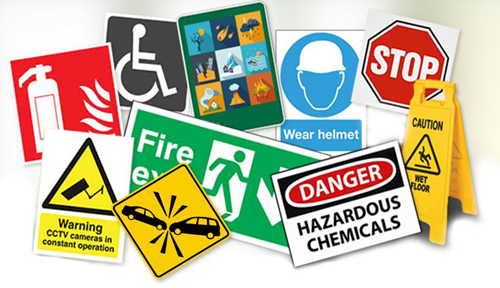
ميزان آگاهي دانشجويان بهداشت حرفهاي نسبت به علائم ايمني مواد شيميايي سيستم هماهنگ جهاني
ارتقای ایمنی و پیشگیری از مصدومیت ها,
دوره 5 شماره 4 (2017),
13 اسفند 2018
,
صفحه 226 - 219
https://doi.org/10.22037/meipm.v5i4.20733
چکیده
سابقه و هدف: مواد شيميايي خطراتي از قبيل خورندگي، انفجار و اشتعالزايي دارند. استفاده از علائم ايمني بر کاهش اعمال ناايمن مؤثر بوده و ضروري است که دانشجويان آگاهي صحيحي از علائم ايمني معتبر و رايج در برخورد با مواد شيميايي داشته باشند. مطالعه حاضر باهدف بررسي ميزان آگاهي دانشجويان بهداشت حرفهاي نسبت به علائم ايمني مواد شيميايي سيستم هماهنگ جهاني طراحي و انجام شد.
روش بررسي: مطالعه حاضر توصيفي- تحليلي از نوع مقطعي بود که در سال 1395 با نمونهگيري تصادفي در بين 160 نفر دانشجوي بهداشت حرفهاي دانشگاههاي علوم پزشکي تبريز و اردبيل طراحي و انجام گرفت. گردآوري اطلاعات از طريق دو نوع پرسشنامه با و بدون راهنما، طبق سيستم هماهنگ جهاني انجام شد. دادهها با نرمافزار SPSS نسخه 17 تجزيهوتحليل شدند.
يافتهها: نتايج مطالعه نشان داد ميانگين و انحراف معيار ميزان آگاهي دانشجويان بهداشت حرفهاي دانشگاههاي تبريز و اردبيل از علائم ايمني مواد شيميايي با پرسشنامه بدون راهنما به ترتيب 7/31±3/58 و 9/32±4/46 درصد بودند، درحاليکه اين مقادير براي پرسشنامه باراهنما، به ترتيب 3/12±8/82 و 6/11±8/77 درصد به دست آمدند. همچنين طبق نتايج مطالعه در هر دو دانشگاه بين درصد آگاهي دانشجويان در دو نوع پرسشنامه رابطه معنيداري (05/0>P) به دست آمد.
نتيجهگيري: نتايج مطالعه نشان داد که ارائه آموزش در مورد علائم ايمني باعث افزايش درصد آگاهي دانشجويان در هر دو دانشگاه شده است. همچنين نتايج مطالعه گوياي پايين بودن ميزان آگاهي دانشجويان از برخي علائم ميباشد؛ بنابراين با توجه به نياز مبرم به آگاهي هر چه بيشتر دانشجويان بهداشت حرفهاي از علائم ايمني ، بدون نياز به آموزشهاي تخصصي، لزوم تجديدنظر در طراحي برخي از علائم ضرورت دارد.
How to cite this article:
Mahmoudi D, Nazari S, Derakhshani M, Dalili A, Hazrati S, Nazari J. The Occupational health Student’s Awareness towards the Globally Harmonized System for the Chemical Safety Signs. J Saf Promot Inj Prev. 2017; 5(4):219 -26.
- آگاهي، علائم ايمني، مواد شيميايي، سيستم هماهنگ جهاني
ارجاع به مقاله
مراجع
Khan FI, Abbasi SA. Risk assessment in chemical process industries: Discovery Publishing House; 1998.
Kan CW. Chemical safety management in Hong Kong. Journal of Chemical Health and Safety. 2007;14(1):13-6[Scopus].
Lunar BC, Padura VR, Dimaculangan MC. Familiarity and Understanding of Chemical Hazard Warning Signs Among Select College Students of De La Salle Lipa. Asia Pacific Journal of Multidisciplinary Research. 2014;2(5):99-102.
Manuele FA. On the practice of safety: John Wiley & Sons; 2013.
Su TS, Hsu IY. Perception towards chemical labeling for college students in Taiwan using Globally Harmonized System. Safety science. 2008;46(9):1385-92[Scopus].
Zamanian Z, Jahangiri M, Norozi M, Afshin A. Comprehension of workplace safety sign: A case study in an industrial company in Shiraz. Journal of Health and Safety at Work. 2010;1(1):47-52.
Davoudian-Talab AM, Meshkani M, Mofidi A, Mollakazemiha M. Evaluation of the perception of workplace safety signs and effective factors. International Journal of Occupational Hygiene. 2013;5(3):117-22.
Rumpagaporn A. Factors affecting the understanding of safety sign in the workplace [Thesis]. Thai: Industrial Hygiene and Safety, Faculty of graduate studies, Mahidol University. 1996.
Silk JC. Development of a globally harmonized system for hazard communication. International journal of hygiene and environmental health. 2003;206(4-5):447-52.
Hughes PW, Ferrett E. Introduction to health and safety in construction: Elsevier Butterworth-Heinemann Oxford; 2005.
Jahangiri M, Sareban Zadeh K, Bashar O, Saleh Zade H. Investigation risk perception, safety attitude and safety performance in supervisors of construction sites Shiraz-Iran. Journal of Ergonomics. 2013;1(2):10-8.
Hallowell M. Safety risk perception in construction companies in the Pacific Northwest of the USA. Construction management and economics. 2010;28(4):403-13.
Jafari MJ, Gharari M, Kalantari S, Omidi L, Ghaffari M, Fardi GRA. The influence of safety training on improvement in safety climate in construction sites of a firm. Safety Promotion and Injury Prevention. 2015;2(4):257-64.
Spellman FR. Industrial hygiene simplified: a guide to anticipation, recognition, evaluation, and control of workplace hazards: Bernan Press; 2017.
ISO 9186-1:2007 Graphical symbols - Test methods - Part 1: Methods for testing comprehensibility. International Organization for Standardization, Geneva.
Rezazadeh J, Rajabzadeh R, Jabbari S, Soliymani A, Emami O, Hosseini SH. Knowledge, attitude, and practice of the motorcyclists of Bojnourd regarding using helmets. Safety Promotion and Injury Prevention. 2015;2(4):303-12.
Moradi A, Gilasi HR, Hasani J. Evaluation of Knowledge, Attitude and Practice of Motorcyclist drivers regarding driving laws in Kashan. Safety Promotion and Injury Prevention. 2015;3(3):175-84.
- چکیده مشاهده شده: 429 بار
- PDF دانلود شده: 190 بار