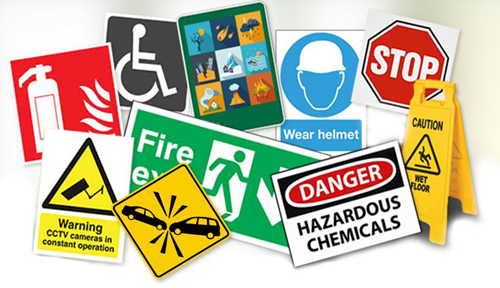
بررسی اثر شیفتکاری و اختلال خواب بر خطاهای انسانی و حوادث شغلی در کارکنان اورژانس بیمارستان نفت اهواز
ارتقای ایمنی و پیشگیری از مصدومیت ها,
دوره 13 شماره 2 (1404),
11 تیر 2026
,
صفحه 34-43
https://doi.org/10.22037/iipm.v13i2.52259
چکیده
سابقه و هدف: شیفتکاری و اختلال خواب از عوامل مهم و روبهافزایش در محیطهای درمانی هستند که میتوانند با تضعیف عملکرد شناختی، ایمنی شغلی کارکنان را تحت تأثیر قرار دهند. هدف این مطالعه بررسی رابطه شیفتکاری و اختلال خواب با خطاهای انسانی و حوادث شغلی در کارکنان اورژانس بیمارستان نفت اهواز بود. این مطالعه بهصورت توصیفی–تحلیلی در سال ۱۴۰۴ انجام شد.
روش کار: جامعه پژوهش شامل تمامی کارکنان اورژانس بود که به روش سرشماری (n=120) مورد بررسی قرار گرفتند. دادهها با استفاده از پرسشنامههای استاندارد اختلال خواب (PSQI)، پرسشنامه خطاهای انسانی و چکلیست حوادث شغلی ILO جمعآوری شد. برای شیفتکاری نیز از پرسشنامه محققساخته استفاده گردید. تحلیل دادهها با آزمون همبستگی پیرسون و رگرسیون خطی در نرمافزار SPSS انجام شد.
یافتهها: نتایج نشان داد شیفتکاری و اختلال خواب با تمامی مؤلفههای خطاهای انسانی و حوادث شغلی رابطه مثبت و معنادار دارند (p<0.05). بیشترین همبستگیها در مؤلفههای کاهش تمرکز، فراموشی وظایف و خطاهای توجهی مشاهده شد. همچنین در حوزه حوادث شغلی، قویترین روابط مربوط به خطاهای منجر به حادثه و تعداد وقوع حوادث بود. بهطور کلی، شدت روابط اختلال خواب در مقایسه با شیفتکاری در اکثر متغیرها بالاتر بود.
نتیجهگیری: بنابر نتایج اگرچه شیفتکاری یک عامل ساختاری مهم در بروز خطاهای انسانی و حوادث شغلی است، اما اختلال خواب نقش تعیینکنندهتری در تبیین این پیامدها دارد. بنابراین، ارتقای کیفیت خواب و اجرای برنامههای مدیریت خستگی در کنار اصلاح نظام شیفتبندی میتواند نقش مؤثری در کاهش خطاها و افزایش ایمنی شغلی کارکنان اورژانس داشته باشد.
- اختلال خواب
- اورژانس
- ایمنی شغلی
- حوادث شغلی
- خطای انسانی
- شیفتکاری
ارجاع به مقاله
مراجع
1. Brown JP, Martin D, Nagaria Z, Verceles AC, Jobe SL, Wickwire EM. Mental health consequences of shift work: an updated review. Current Psychiatry Reports. 2020;22(2):7. https://doi.org/10.1007/s11920-020-1131-z
2. Taylor DJ, Dietch JR, Wardle-Pinkston S, Slavish DC, Messman B, Ruggero CJ, Kelly K. Shift Work Disorder Index: initial validation and psychosocial associations in a sample of nurses. Journal of Clinical Sleep Medicine. 2022;18(10):2339-2351. https://doi.org/10.5664/jcsm.10108
3. Pourbaba S, Safari M, Jahangiri K, Beladian SE. Investigating the level of Safety and Preparedness of Educational Hospitals in the First District of Tehran Against Disasters in 2022. Journal of Safety Promotion and Injury Prevention (Irtiqa Imini Pishgiri Masdumiyat). 2024;12(1):39-47. (In Persian). https://doi.org/10.22037/iipm.v12i1.45737
4. Nilsson T, Lashari A, Gustavsson P, Härmä M, Bigert C, Bodin T, Maclachlan L, Norberg AL, Brulin E. Night and shift work and incidence of physician-diagnosed sleep disorders in nursing staff: a prospective cohort study. International Journal of Nursing Studies. 2025;164:105017. https://doi.org/10.1016/j.ijnurstu.2025.105017
5. Namaghi MT, Jahangiri K, Riahi L, Gharebagh MJ. Assessment of the patient safety substructures in selected teaching hospitals in the city of Mashhad based on WHO protocol. Journal of Safety Promotion and Injury Prevention (Irtiqa Imini Pishgiri Masdumiyat). 2021;9(1):55-65. (In Persian). https://doi.org/10.22037/meipm.v9i1.32598
6. Gao Y, Ma X, Wang Y, Zhang H, Zhong L, Yuan Z, Chen X. Relationship between occupational stress and sleep quality among emergency nurses. Frontiers in Public Health. 2025;13:1699441. https://doi.org/10.3389/fpubh.2025.1699441
7. Naderi N, Bineshfar A, Salimi Monazam M. The prevalence of musculoskeletal disorders and their relationship with the physical and mental health of retired teachers. Journal of Safety Promotion and Injury Prevention (Irtiqa Imini Pishgiri Masdumiyat). 2023;11(2):80-91. (In Persian). https://doi.org/10.22037/iipm.v11i2.40796
8. Kolarić A, Majeed A, Car M, Miskulin I. Rotating night shifts and physical well-being in nurses: Cross-sectional associations consistent with a sleep quality pathway. Nursing Reports. 2026;16(1):19. https://doi.org/10.3390/nursrep16010019
9. Yang H, Kim S, Yoo SH, Kim J. Associations among chronotype, sleep quality, and neurocognitive function in shift-working nurses during consecutive morning shifts: A cross-sectional study. Workplace Health & Safety. 2026:21650799251392226. https://doi.org/10.1177/21650799251392226
10. Yuan MZ, Fang Q. Latent class analysis of the sleep quality of night shift nurses and impact of shift‐related factors on the occupational stress and anxiety. Journal of Advanced Nursing. 2024;80(7):2772-2784. https://doi.org/10.1111/jan.16067
11. Booker LA, Fitzgerald J, Mills J, Bish M, Spong J, Deacon‐Crouch M, Skinner TC. Sleep and fatigue management strategies: How nurses, midwives and paramedics cope with their shift work schedules—a qualitative study. Nursing Open. 2024;11(1):e2099. https://doi.org/10.1002/nop2.2099
12. Imes CC, Barthel NJ, Chasens ER, Dunbar-Jacob J, Engberg SJ, Feeley CA, Fennimore LA, Godzik CM, Klem ML, Luyster FS, Ren D. Shift work organization on nurse injuries: A scoping review. International Journal of Nursing Studies. 2023;138:104395. https://doi.org/10.1016/j.ijnurstu.2022.104395
13. James SM, James L. The impact of 12 h night shifts on nurses’ driving safety. Nursing Reports. 2023;13(1):436-444. https://doi.org/10.3390/nursrep13010040
14. Lee S, Lee J, Jeon S, Hwang Y, Kim J, Kim SJ. Sleep disturbances and depressive symptoms of shift workers: effects of shift schedules. Journal of Psychiatric Research. 2023;161:371-376. https://doi.org/10.1016/j.jpsychires.2022.12.048
15. Shabanizadeh M. The relationship between sleep patterns, shift work and medication errors in nurses: a narrative-based review. In: Proceedings of the 10th International Conference on New Findings in Medical and Health Sciences with a Health Promotion Approach; 2025.
16. Lim YC, Hoe VC, Darus A, Bhoo-Pathy N. Association between night-shift work, sleep quality and health-related quality of life: a cross-sectional study among manufacturing workers in a middle-income setting. BMJ Open. 2020;10(9):e034455. https://doi.org/10.1136/bmjopen-2019-034455
17. Bigert C, Kader M, Andersson T, Selander J, Bodin T, Gustavsson P, Härmä M, Ljungman P, Albin M. Night and shift work and incidence of cerebrovascular disease–a prospective cohort study of healthcare employees in Stockholm. Scandinavian Journal of Work, Environment & Health. 2021;48(1):31. https://doi.org/10.5271/sjweh.3986
18. Pallesen S, Bjorvatn B, Waage S, Harris A, Sagoe D. Prevalence of shift work disorder: a systematic review and meta-analysis. Frontiers in Psychology. 2021;12:638252. https://doi.org/10.3389/fpsyg.2021.638252
19. Mirzaei Tusi S, Kouhnvard B, Zamanian Z. Effects of shift work and mental workload on fatigue of intensive care unit nurses. Journal of Occupational Hygiene Engineering. 2021;8(2):41-49. (In Persian). https://doi.org/10.52547/johe.8.2.41
20. Rachubińska K, Kupcewicz E, Cybulska AM, Stępień H, Grochans E, Schneider-Matyka D. Psychosocial health risks among nursing staff working in shifts. Frontiers in Public Health. 2026;14:1749277. https://doi.org/10.3389/fpubh.2026.1749277
21. Piri Keshtiban N, Maghsoudi Pour M, Bikdeli H, Dopalani FN, Khammar A, Kamali M, Vatani J. Associations of the sleepiness with physiologic changes in night shift rehabilitation healthcare workers. Health in Emergencies & Disasters Quarterly. 2022;7(3):109-116. https://doi.org/10.32598/hdq.7.3.435.1
22. Soltaninejad M, Khammar A, Aminizadeh M, NabiAmjad R, Raei M, Hami M, Poursadeqiyan M. Shift working disorders among nurses of Tehran hospital and its related factors in 2016. Work. 2020;66(1):213-219. https://doi.org/10.3233/WOR-203165
23. Leso V, Fontana L, Caturano A, Vetrani I, Fedele M, Iavicoli I. Impact of shift work and long working hours on worker cognitive functions: current evidence and future research needs. International Journal of Environmental Research and Public Health. 2021;18(12):6540. https://doi.org/10.3390/ijerph18126540
24. Moosavi S, Ghalenoei M, Amerzadeh M, Variani AS. The relationship between shift work, circadian rhythms, and cognitive function in ICU nursing. BMC Nursing. 2025;24(1):324. https://doi.org/10.1186/s12912-025-02850-2
25. Çıray N, Töreyin ZN, Keskin H, Taşbakan MS, Başoğlu ÖK. Evaluation of the relationship between sleep quality and occupational accidents in nurses. Turkish Journal of Sleep Medicine. 2025;12(3):146-153. https://doi.org/10.4274/jtsm.galenos.2025.93899
26. Pi R, Liu Y, Yan R, De Z, Wan Y, Chen Y, He Z, Liu F, Wang Y, Li S. Nurses’ occupational fatigue level and risk factors: A systematic review and meta-analysis. PLOS ONE. 2025;20(7):e0326519. https://doi.org/10.1371/journal.pone.0326519
27. Shaik L, Cheema MS, Subramanian S, Kashyap R, Surani SR. Sleep and safety among healthcare workers: the effect of obstructive sleep apnea and sleep deprivation on safety. Medicina. 2022;58(12):1723. https://doi.org/10.3390/medicina58121723
- چکیده مشاهده شده: 72 بار
- 3 دانلود شده: 35 بار