
Emerging Roles of Nanobioremediation in Decreasing Endocrine Disrupting Pesticides within the Food Chain
Applied Food Biotechnology,
Vol. 12 No 1 (2025),
4 janvier 2025
,
Page 1-14 (e33)
https://doi.org/10.22037/afb.v12i1.51169
Résumé
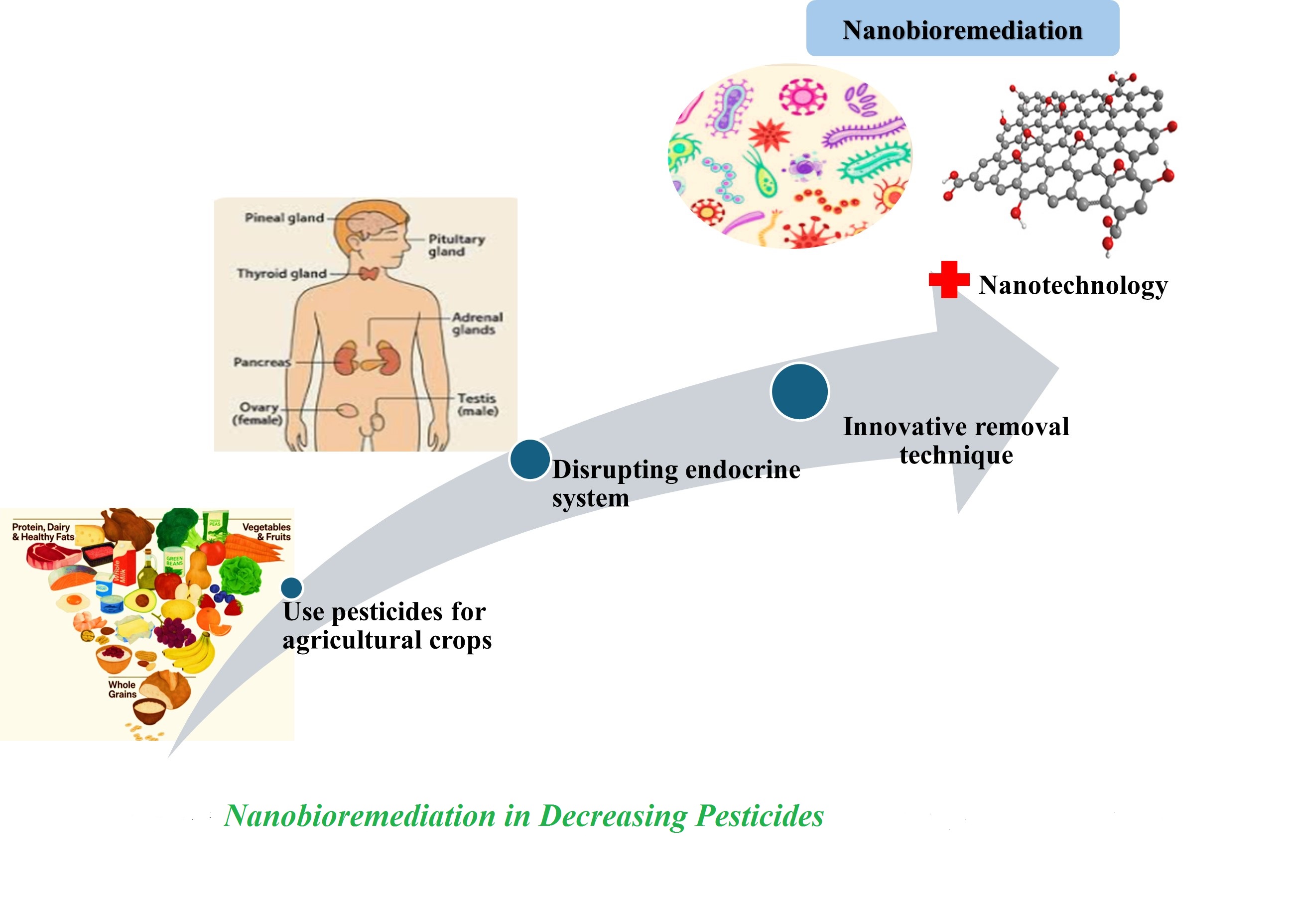
Background and Objective: Nanobioremediation using various biological entities has emerged as a rapidly evolving field of research. These biologically synthesized nanoparticles are increasingly used in various uses, primarily in the remediation of environmental contaminants and biomedicine. Additionally, the increasing influx of harmful pollutants into the environment, driven by swift technological progress and population expansion, has become a significant issue. A significant number of chemicals have been recognized as endocrine disruptor chemicals, including various pesticides. Therefore, this subject was chosen due to the significant failure rate associated with traditional remediation methods in addressing persistent pesticides. While nanobio-remediation has verified effective as a hybrid solution, there is a significant absence of comprehensive reviews focusing on the food chain.
Results and Conclusion: Although there are various physical, chemical and biological remediation technologies available, their effectiveness frequently diminishes because of complex processes. Therefore, linking nanoscience and bioremediation strategies can play a promising role in decreasing the endocrine-linked disorders associated with pesticide contamination.
Keywords: Nanotechnology, Bioremediation, Nanobioremediation, Pesticides, Endocrine-disrupting chemicals, Food
- Introduction
The presence of pesticide residues in the food chains is majorly resulted from their uses in agriculture to enhance crop production and pest control. They can contaminate soil, water and food products. Only a small portion of pesticides target the intended pests, while the rest remain in the environment, leading to bioaccumulation and biomagnification in higher trophic levels, including humans. These pesticide residues can persist for years, transforming into metabolites that may be more toxic than that the original compounds are. The various techniques used to detect pesticide residues have well documented the occurrence of these residues and their metabolites in various environmental compartments. Humans are majorly exposed through consuming contaminated foods and water, with residues accumulating in fatty tissues and being transferred through breast milk and animal products [1, 2].
Exposure to endocrine-disrupting pesticides, such as organochlorines and organophosphates, may interfere with hormone receptors (e.g., estrogen androgen and glucocorticoid), disrupt hormone synthesis and result in changes to the levels of gene expression, leading to reproductive, neurological and metabolic disorders [3, 4]. Because the endocrine system forms during early developmental stages, toxic effects can disrupt tissue growth in this system [4, 5]. Various remediation techniques have been developed for removing pesticides.
Traditional remediation technologies (physical, chemical and biological) include photodegradation, advanced oxidation and microbial degradation [6, 7] . However, these are often affected by high costs, incomplete removal, secondary pollution and limited efficiency for persistent endocrine disrupting pesticides [6, 7]. A combination of nanotechnology (e.g., nanoparticles with large surface area and greater reactivity) and bioremediation (microbial or enzymatic degradation), called nanobioremediation, can overcome the current difficulties [8, 9]. Pesticides can be adsorbed, catalyzed and transformed using nanoparticles, while microbes or enzymes can break these down [10, 11]. Therefore, developing a synergistic approach to improve degradation rate, selectivity and efficiency is a promising outcome of nanobioremediation. Studies show that nanoparticle-mediated bioremediation can achieve high (> 90%) removal rates for a range of pesticides in soil and water; however, results depend on pollutant type, conditions and technology integration [12, 13].
This review methodically battled these challenges in various sections, encompassing the details of pesticide entry routes into the food chain and human exposure pathways. It investigated pesticide-induced endocrine disorders with their molecular mechanisms, assessed the limitations of conventional remediation and introduced the fundamentals of bioremediation and nanotechnology [8, 14]. Furthermore, it presented the principles and mechanisms of nanobioremediation, including nanophytoremediation and microbial nanobioremediation with their advantages and specific uses that achieved over 90% degradation of endocrine-disrupting pesticides. In conclusion, this study described further directions and emphasized the groundbreaking novelty of hybrid nanostrategies aimed at enhancing food safety.
- Literature Search Strategy
A comprehensive review of the relevant literature was carried out from 2010 to 2025 using PubMed, Scopus, Web of Science and Google Scholar. The search terms were ("nano-bioremediation" OR bioremediation OR nanotechnology) AND pesticides AND ("endocrine disrupting chemicals" OR EDCs) AND food. Inclusion criteria included peer-reviewed articles reporting endocrine-disrupting pesticide degradation via nanobioremediation, focusing on food chain uses, mechanisms and/or human health effects. The exclusion criteria were non-English articles and conference abstracts.
- Pesticides in the Food Chain, Sources and Transfer to the Body
Pesticides, as the substances used to control pests, enter the body through direct and indirect exposures [15]. Insecticides, herbicides, rodenticides and fungicides are well-known pesticides that are routinely used. Others, including disinfectants, attractants, plant defoliants, swimming pool treatments and plant growth regulators, are less well-known pesticides. Their Direct exposure causes immediate health effects; however, indirect exposure happens when pesticide residues remain on food, leach into water supplies or accumulate in the environment, eventually affecting human health through ingestion or contact. A significant issue associated with pesticide use is bioaccumulation where these chemicals are stored in the body over time, especially when exposure is frequent and/or prolonged [16]. Pesticides are persistent in the environment and can magnify through the food chain, called biomagnification. After using, these can be carried into aquatic environments by runoff and/or transported to farms, grazing areas and populated areas, endangering other animals by wind [17]. Therefore, animal-based foods and aquatic life contain pesticide residues, which can be harmful to human safety [18]. Pesticides have entered the food chain-chemicals from pesticides enter the groundwater or streams, grass and other vegetation, herbivorous animals and carnivorous and omnivorous animals such as humans [19]. Rainfall is one of the major factors for the dispersion of the pesticide residues, which enter rivers, seas and oceans [20]. Then, these bioaccumulate into the fish by direct or indirect routes through contaminated abiotic media and ingested prey, respectively. Accumulation of pesticides in organisms at lower trophic levels transfers them to other trophic levels consumed by organisms at higher levels, leading to higher concentrations at each step [21].
Pesticides can directly or indirectly be ingested through foods, as well as being used in residential, agricultural and work settings. Pesticides are detected in everyday products, food packaging and agricultural residues. Furthermore, pesticides are used in golf courses, major thoroughfares and other locations, where, the public may be exposed to them. Pesticides are mostly exposed to humans through the food chain, air, water, soil, plants and animals. Although the bloodstream carries pesticides throughout the body. Additionally, they can be expelled by the urine, skin and air that is breathed [22]. Pesticides can enter the human body through four major routes of cutaneous, oral, ocular and respiratory systems. Depending on the route of exposure, dermal, oral, or respiratory, pesticide toxicity can differ (inhalation) [23]. Populations are at risk based on race, sex, age and life cycle. The dose and duration of exposure are factors on outcomes. Developmental duration is further critical, including the perinatal period. Table 1 provides a summary of essential pesticide categories with examples and associated endocrine/metabolic disorders, emphasizing their potential for disruption.
- Pesticides and Endocrine Disorders
The endocrine system regulates essential human functions including growth, metabolism, reproduction and stress response through precise hormone signaling from glands (thyroid, gonads, adrenals and pituitary). Disruption by pesticides leads to profound health consequences, including reproductive disorders (infertility and early puberty), metabolic diseases (diabetes and obesity), thyroid dysfunction (hypothyroidism), neurological issues (attention deficit hyperactivity disorder and Parkinson's disease) and cancers that affecting global annual costs in healthcare and lost productivity. Epidemiological studies link pesticide exposure to increased risks of diabetes, obesity, thyroid diseases and reproductive impairments (Figure 1). Key pesticides, including organophosphates, organochlorines, carbamates, pyrethroids, triazoles and fluorinated pesticides, have been associated with thyroid dysfunction, reproductive issues, obesity and cancers. These compounds interfere with hormone signaling pathways. Common classes include organochlorines [e.g., dichloro-diphenyl-trichloroethane (DDT) and endosulfan], organophosphates (e.g., chlorpyrifos), carbamates, pyrethroids and herbicides such as atrazine and glyphosate. Fluorinated pesticides such as fipronil have been shown as a broad EDC within organisms. Legal pesticides such as DDT persist in the environment and bioaccumulate. Mancozeb carbamate and chlorothalonil, organochlorine, are the highest concerning fungicides that show deleterious effects on the reproductive systems. Dieldrin, organochlorine and DDT are banned insecticides with disrupting effects on male and female fertilities, which are environmentally persistent. A widely used herbicide is glyphosate organophosphonate, whose safety is under debate [35].
4.1 Mechanisms of Action
Suggested mechanisms of action:
- i) Sex-hormone linked disorders through receptor binding and activation/antagonism effects: Several pesticides bind to hormone receptors, acting as agonists or antagonists. For example, organochlorines such as methoxychlor bind to estrogen receptor α/β (ERα and β), exerting estrogenic effects. Flutolanil changes the gene expression of estrogen-responsive genes. Atrazine induces aromatase, converting androgens to estrogens and disrupting sex hormone balance. The endosulfan causes estrogen-disrupting effects on the breast cancer cells. Some pesticides block the androgen receptors such as fungicide of vinclozolin [36]. ii) Hormone Synthesis and Metabolism Inhibition: Pesticides can inhibit enzymes involved in hormone production. Thyroid hormone synthesis is blocked by compounds such as amitrole, cyhalothrin, fipronil, ioxynil, maneb and mancozeb, leading to hypothyroidism. Endosulfan disrupts the ecdysteroidal system in invertebrates, affecting molting and development [37]. iii) Transport and Clearance Disruption: pesticides interfere with hormone-binding proteins and metabolic enzymes, altering hormone availability. For example, some pesticides inhibit cytochrome P450 enzymes, prolonging hormone action; although these changes are linked to the host polymorphisms [38, 39]. iv) Epigenetic and Non-genomic Effects: Pesticides may cause epigenetic changes such as DNA methylation and histone modification, affecting gene expression linked to endocrine function. The DNA methylation can inhibit detoxification genes and activate pathways associated with resistance, whereas histone changes dynamically modify chromatin to regulate genes responsive to stress. Non-genomic pathways involve rapid signaling through membrane receptors. Some pesticides interact with nuclear receptors such as peroxisome proliferator-activated receptors (PPARs) and retinoid X receptors (RXRs), which play roles in metabolic regulation [40]. These mechanisms often lead to oxidative stress, neurotransmitter interference and enzyme dysregulation, exacerbating endocrine imbalances.
- Conventional approaches to decreasing pesticides from food and their limitations
Conventional methods of pesticide residue removal from food are washing, soaking, peeling, blanching, oven drying, boiling, frying, cooking and canning. These methods have deficiencies such as not demonstrating unequivocal efficacy, loss of minerals such as vitamins and rendering pesticides less reliable as standalone tools for consumers particularly vulnerable groups such as children, pregnant women and the elderly people. Moreover, their performance varies based on produce characteristics, pesticide mechanism and treatment duration, often achieving only partial surface-level removal while failing against systemic pesticides where deeply embedded residues persist [41–43].
In recent years, innovative approaches have gained further attention for modifying pesticide residues in food products. A variety of novel techniques for removing pesticides such as ultrasound, ozone, lye peeling, electrolyzed water, non-thermal plasma (NTP) and cold plasma have been described in Figure 2 [41–44] . These innovative methods include disadvantages such as high costs for setup/maintenance, infeasibility for small-scale operations, resistance to some pesticides and energy-intensive processes. To overcome these restrictions, hybrid strategies have been used [42].
- Fundamentals of Bioremediation and Nanotechnology in Pesticide Remedia-tion
Bioremediation represents an ecofriendly cost-effective strategy for degrading hazardous pesticide contaminants to safe levels within a variety of environments by harnessing microbial metabolic pathways, offering a superior alternative to physicochemical approaches due to lower capital costs, sustainability, minimal disruption and decreased secondary pollution [45, 46]. This process operates via bioaugmentation (inoculation of inactive oil-degrading bacteria) and bio-stimulation (growth of native microorganisms), where microorganisms such as bacteria (e.g., Alcaligenes, Pseudomonas and Bacillus spp.), fungi (e.g., Phanerochaete and Trametes effective against lindane, atrazine and DDT) and algae (e.g., Spirulina and Chlorella via bioaccumulation and adsorption) uptake pesticides through passive diffusion and/or active transport, using enzymes such as hydrolases (ester bond hydrolysis), oxidoreductases (electron transfer) and transferases (functional group relocation) to metabolize the chemicals as carbon/energy sources or convert them into less toxic intermediates, ultimately yielding CO₂, inorganic ions and water [45, 47]. Despite being a sustainable method, bioremediation has certain shortcomings [47].
Using nanomaterials to surpass conventional bioremediation limits, nanotechnology as an innovation technology enables effective, affordable environmental-friendly pollutant elimination through improved degradation processes. It is used in a variety of fields, including biodegradation, cosmetics, medicine, food production and agriculture [47]. Nanotechnology, involving materials sized 1–100 nm whose characteristics are profoundly affected by size, shape and geometry, has emerged as a transformative tool for pesticide remediation [45, 46].
Key tools include photocatalysts such as metal dioxide semiconductors that generate electron-hole pairs to oxidize organic pollutants into less harmful compounds under specific wavelengths; nanofilters leveraging high-surface-area materials such as metal oxides, graphene oxide and carbon nanotubes to trap pesticides via physical and chemical interactions often functionalized for selectivity; nanocomposites, combining nanoparticles with polymer or oxide matrices for superior adsorption and catalytic capabilities, reinforced with nanofillers to boost optical, magnetic and mechanical traits while trapping contaminants in tiny pores; and nanobiocomposites, integrating biopolymers such as chitosan or cellulose with nanomaterials such as graphene oxide or iron nanoparticles to immobilize degrading enzymes or microbes, offering sustainable biocompatible cleanup with improved stability and reactivity, as illustrated in sequential mechanisms leading to pollutant-free environments [45].
- Nanobioremediation: Emerging Hybrid Approach
Nanobioremediation, an innovative technique, is popularizing as it integrates nanoparticles with microorganisms to enhance the efficacy of the decomposition of pesticides. This approach uses nanotechnology to remove environmental pollutants from contaminated sites, using nanoparticles derived from prokaryotes (e.g., Gram-negative bacteria and actinobac-teria) as well as eukaryotes (e.g., fungi, algae and plants) [48]. This strategy is an economic eco-friendly treatment method with minimal side effects [46]. Integrating nanotechnology with bioremediation can boost the overall efficiency, speed and eco-friendliness of the cleanup process; thereby, amplifying its overall advantages [49].
7.1. Principals and Mechanisms of Nanobioremediation
It is reported that using a technology for the remediation of contaminants such as pesticides may not be the most appropriate choice for selection. Therefore, it is essential to combine uses of multiple technologies to overcome the issues linked to the use of a method. Nanotechnology is a field of science that focuses on synthesized particles, which are very small (1–100 nm). Over the past few years, nanotechnology has been used in several areas such as environmental contaminants remediation. The integration of nanotechnology with the bioremediation process is currently known as nanobioremediation. Nanobioremedi-ation aims to clean the environment by increasing the speed of bioremediation with nanoparticles [12]. Degradation of contaminants using catalysts as nanoparticles is the basic concept of nanobioremediation. Nanoparticle small size allows it to interact further deeply and include a larger surface area per unit mass, which allows it to contact the environment further frequently [50]. Nanobioremediation is a method that uses physicochemical and biological techniques (e.g., living organisms) and currently the subject of extensive research at various contaminated locations. Nanomaterials are used in the nanobioremediation technique first to decrease contaminants to a level that is conducive to biodegradation, which subsequently facilitates the biodegradation of these contaminants. In some cases, the interaction between nanoparticles and biotic components led to biocidal effects and was demonstrated harmful to organisms involved in bioremediation [51]. Therefore, the nanobioremediation process requires an assessment of the interaction between nanoparticles and biotic components. The effectiveness of nanobioremediation can be affected by various parameters such as size, shape and chemical composition of the nanoparticles and physiological characteristics of the organism as well as pH and temperature of the soil and type of the contaminant. Generally, nanobioremediation consists of a two-phase process. Initially, nanoparticles decompose contaminants to a level that is appropriate for bioremediation and then pollutants undergo biodegradation [50].
Pesticides can effectively be adsorbed, catalyzed and transported to sites of microbial and enzymatic degradations, owing to their high surface area to volume ratio, enhanced reactivity and altered surface structures such as those in nanocomposites or nanoparticles. In contrast, microorganisms and enzymes possess the metabolic ability to detect, recognize, metabolize and absorb pesticide molecules, decomposing them into simpler less harmful compounds. The integration of nanomaterials with microbial consortia or enzymes enhances the rate of pesticide degradation, increases the accessibility of substrates and offers protection against environmental stressors and inhibitory elements. Therefore, physical, chemical and biological processes are combined in bioremediation/nanobioremediation mechanisms to effectively decrease pesticide pollution in the environment through synergistic actions [45].
Two sub-groups of nanobioremediation are reported, including nanophytoremediation of nanoparticles with i) phytoremediation and ii) microbial nanoremediation (Table 2) [52]. Nanophytoremediation is a technique used for the remediation of contaminants via synthesized nanoparticles derived from plants such as nano-zero valent iron (nZVI) and nanohydroxyapatite to boost plant ability to uptake or degrade pesticides such as chlorpyrifos and atrazine. Plants serve as natural detoxifiers for the soil as they can absorb various types of compounds and detoxify them. However, phytoremediation include certain limitations, including slow remediation process and generation of plant waste. Nanophytoremediation has verified effective for a diverse array of soil contaminants, including heavy metals and organic compounds. Use of nanoparticles has facilitated the absorption of these pollutants by plants while simultaneously enhancing their ability to withstand stress [53, 54].
Microbial nanobioremediation involves the use of nanoparticles with soil microbes to enhance biodegradation processes. Microorganisms can take up metal ions and reduce them. In this process, the metal ions are converted into nanoparticles. Combination of microbial enzymes and metals produces advantageous nanoparticles for nanobioremediation [55]. Microbial nanobioremediation consists of a two-phase process, incorporating abiotic and biotic mechanisms. During the initial phase, nanoparticles are introduced into the system, where pollutant particles undergo various processes such as adsorption, absorption, dissolution and photocatalysis [56]. The other phase involves several biotic processes, including biostimulation and biotransformation, which facilitate the removal of these particles from the system [57]. The second phase, known as the biotic phase, is critical for the effective bioremediation of pollutants. Nanobioremediation of pesticides using biological-system immobilized nanoparticles is shown in Figure 3. The process of nanoparticle biosynthesis can occur through one of two primary methods of bottom-up and top-down syntheses. The top-down approach is a traditional method that begins with bulk materials and decreases them to nanoparticle size through slicing or cutting. Techniques such as grinding/milling, chemical etching, electro-explosion and laser ablation are commonly used in this process. In contrast, the bottom-up approach involves assembling nanoparticles atom-by-atom or molecule-by-molecule to attain desired characteristics. This includes sedimentation and reduction techniques such as spinning, template-supported synthesis, laser pyrolysis, biochemical synthesis and biological synthesis [58]. The production of nanoparticles through biological means can be achieved using biosorption or bioreduction method [58].
In microbial-derived nanoparticles, microbes with multiple mechanisms are used for nanoparticle production. Biogenic synthesis represents a green method that promotes an eco-friendly environment. Various biological agents facilitate the synthesis of biogenic nanomaterials, interacting differently with metal solutions via intracellular or extracellular process [59]. From the nanoparticles derived microbes, these can be highlighted: iron oxide from Aspergillus tubingensis [60] and copper from Escherichia spp. [61] .
7.2. Advantages of Nanobioremediation
Nanomaterials show distinctive physical and chemical characteristics, which is why they have significantly been interested by the scientists and researchers in various fields of environmental sciences, particularly in the field of pesticide bioremediation [62]. Therefore, nanomaterials can be used for bioremediation, resulting in a decreased toxic effect on microorganisms while simultaneously enhancing the microbial activity associated with specific wastes and toxic substances. This approach leads to decreases in time and costs of the process [62]. Nanobioremediation represents a synergistic technique that merges bioremediation with nanotechnology; thereby, offering numerous benefits. By combining the metabolic capabilities of living organisms with the catalytic characteristics of nanomaterials, these substances enhance the rate; at which, pesticides are broken down. The synergistic effects facilitate pesticide degradation and their efficiency can further be increased using nanomaterials as carriers or immobilization matrices for microbial cells and enzymes [13]. Using the distinct characteristics of nanoparticles, including their high surface area-to-volume ratio and reactivity with the catalytic capabilities of microbial enzymes, nanobioremediation presents itself as an extraordinarily efficient precise method for breaking down pesticides into non-toxic byproducts [63].
The capacity for pesticide remediation is enhanced through nanobioremediation, as it specifically targets certain pesticides while leaving non-target substances unaffected; thereby, decreasing the risk of unintended harms to the beneficial organisms within the ecosystem. Additionally, it diminishes the likelihood of further pesticide bioaccumulation by breaking it down into non-toxic chemicals, resulting in a fewer residues that could lead to further contaminations [45, 64]. Use of natural components derived from biological processes decreases energy use; thereby, decreasing environmental effect and resource consumption. In-situ nanobioremediation treats pesticide-contaminated sites on location, eliminating the need of evacuation or material transport, which minimizes ecosystem disruption and decreases costs, compared to ex-situ methods. In summary, these benefits highlight nanobioremediation as a practical cost-effective strategy for effective pesticide cleanup [63, 64].
- Use of Nanobioremediation in Decreasing Endocrine-disrupting Pesticides (Studies in This Field)
The excessive use of pesticides to enhance crop yields and maintain food production is leading to numerous significant environmental and human health problems such as disorders linked to the endocrine system through affecting the food chain. The effective administration of pesticide use and remediation of the pesticide-contaminated food chain represent one of the most critical challenges. The efficiency of current methods for the biodegradation of pesticides using diverse microbes and enzymes is limited. Therefore, a novel approach is urgently needed to protect food production from significant health threats. The use of nanomaterials has become further popular in recent years due to their distinctive characteristics of decreasing sizes and increasing surface areas. Nanotechnology is addressed as a promising effective technology in various bioremediation processes, using nanomaterials that demonstrate high performance to enhance environmental technologies and offering numerous significant advantages [13]. Approximately 40% of the pesticides are transformed into various products, which can persist in the soil for extended durations, potentially lasting up to ten years [65]. These transformed products can leach into groundwater, leading to contamination [66]. Residues of pesticides that enter the food chain can include detrimental effects on human health by effecting various organs; for example, they can disrupt the endocrine system, including the thyroid gland. Huang et al. (2017) have reported that anticholinesterase pesticide poisoning is associated with increased risk for hypothyroidism issue [67].
Hence, researchers have developed various advanced nanobiomaterials, including a biocatalyst that degrades the widely used pesticide of ethyl-paraoxon. This is achieved by functionalizing a magnetic membrane with phosphorhydro-lase. They have fused the Opd gene from Flavobacterium ATCC 27551 into the mamC protein within the magnetosome membrane. When compared to the purified enzymes, the catalytic characteristics revealed Km and Kcal values of 58 μM and 178 s-1 for the immobilized Opd and 43 μM and 314 s-1 for the purified enzyme [68].
An investigation carried out by Salam and Das assessed the efficacy of an integrated bionanohybrid system that used nanoscale zinc oxide with the lindane-degrading yeast Candida VITJzNO4. The nanoparticles were incorporated into yeast cells and successfully transported into the cell cytoplasm without causing harmful effects. The degradation of lindane was assessed, revealing that the nanobiohybrid showed greater efficacy than that the native yeasts did, achieving complete removal within a span of 3 d. This suggested the potential use of nZNO-mediated dichlorination with the innovative bionanohybrid system for the treatment of lindane-polluted wastewater [69]. In a study by Zubaidi et al., biogenic zinc oxide (ZnO) nanoparticles achieved 40% remediation efficiency against the chlorpyrifos pesticide after 7 d of treatment with 82.46% degradation observed by Day 8 of incubation [70]. Chen et al. hybridized a phosphotriesterase (PTE) with copper ions to form a Cu-PTE hybrid nanoflower, showing high catalytic activity and efficiency in biodegrading organophosphorus pesticides [71]. Nozhat et al. investigated the elimination of diazinon and butachlor from aqueous solutions using TiO₂ and ZnO nanophotocatalysts. The results showed that ZnO nanoparticles demonstrated higher efficiency in degrading butachlor, whereas TiO₂ nanoparticles performed better against diazinon [72]. Recently, Li and colleagues developed a novel nanocomposite for multi-pesticide bioremediation by encapsulating hydrolase enzymes in magnetic zeolitic imidazolate frameworks-8 (mZIF-8). The material achieved effective degradation of chlorpyrifos and quizalofop-P-ethyl, demonstrating high efficiency and cost-effectiveness [73].
Computational toxicology is a rapidly increasing field using artificial intelligence (AI) or machine learning as the cost-effective tools to predict the toxicity potential of chemicals and substances [63]. The quantitative structure-activity relationship (QSAR) models, high-throughput screening assays, machine-learning algorithms, deep learning and toxicogenomics are examples of the computational toxicology [74-76]. These novel tools can predict bioaccumulation of contaminants in the environment and biological systems as well as human hazardous effects to create management decisions [77]. The QSAR models are commonly used to establish the relationship between chemical structures and their aquatic toxicity. The random forest, artificial neural networks, support vector machines, Bayesian networks, k-nearest neighbor, probabilistic neural networks, naïve Bayes and decision trees are the most used QSAR models. However, deep learning methods such as convolutional neural networks and recurrent neural networks are used to improve the accuracy of the predictions. Moreover, data mining graphs, networks and graph kernels are used to extract relevant characteristics from chemical structures and improve predictive capabilities [78].
- Future Perspectives and Research Directions
Nowadays, the rapid release of pollutants such as pesticides can pose a serious risk to human health. Therefore, it is essential to develop efficient methods to remove these chemicals from various environments. To overcome the limitations and disadvantages of conventional methods, novel approaches with high operational potentials for maximum removal of various pollutants are needed. Nanoscale technology is one of the most advanced fields. The economic effect of nanotechnology research projects has been created due to the advances in this field. The integration of nanomaterials and microorganisms can form a synergistic platform for removing pesticides from the food chain. Nanobioremediation provides an efficient, cost-effective eco-friendly approach for pesticide degradation and surpasses conventional methods in several ways. However, further detailed studies are needed to identify pesticide metabolites and degradation products in the food chain. In addition, assessment of the long-term effects and safety implications of nanomaterials should be pursued.
While nanotechnology offers significant advantages for eliminating or decreasing pesticide residues, it carries environmental implications and associated challenges, compared to conventional approaches. For example, nanoparticles in soil alter pH, a key factor affecting nutrient availability, microbial dynamics, overall soil health and plant growth [79]. Moreover, scaling up nanoparticle biosynthesis and enhancing use efficacy requires the development of novel techniques. Researchers are developing innovative approaches to translate nanobioremediation from theoretical concepts to practical uses. Future studies should prioritize enzyme-based nanobioremediation, which enables targeted pesticide degradation while preserving surrounding ecological processes. For the enzyme stability, it is essential to identify inert material nanoparticles that enhance speed of the process and are stable through the remediation without posing any environmental risks. While this presents a significant challenge, the interdisciplinary aspect of nanobioremediation offers extensive opportunities for real-time use [45].
- Ethical Implications and Biosafety of Nanomaterials
Ethical considerations in nanotechnology are rooted in the principles of beneficence, non-maleficence, justice and autonomy. The nanomaterial development should aim to benefit society and emphasize the need to minimize potential harms. Equal distribution of the benefits and risks associated with nanomaterials and avoidance of disproportionate burdens on vulnerable populations are other characteristics of nanomaterials. Informed consent and public participation in decisions must be highlighted in the use of nanotechnology. Toxicological effects of nanoparticles must be studied on health and environmental concerns with transparency.
- Conclusion
Pesticide pollution, particularly from EDCs, poses persistent threats to human health and ecosystems through food chain bioaccumulation. This review uniquely provided nanobioremediation emerging roles in EDC remediation, spotlighting novel hybrid strategies such as microbial nanobioremediation with ZnO nanoparticles and magnetic ZIF-8 encapsulating hydrolases for multi-pesticide breakdown that surpass conventional methods. The novelty of this study included the explanation of synergistic two-phase mechanisms (initial nanoparticle pre-degradation followed by biotic transformation) specifically designed for persistent pesticides such as atrazine and fipronil, incorporating biogenic synthesis (e.g., fungal iron oxide nanoparticles) with uses tailored to the food chain, infrequently addressed in previous studies. These methods present environmentally friendly scalable alternatives that moderate endocrine risks such as hypothyroidism and reproductive disorders. Further initiatives should focus on the genetic engineering of microbial 'nanofactories,' optimization driven by omics and field trials to confirm long-term safety; thereby, facilitating industrial-scale EDC modification.
- Acknowledgements
The authors gratefully acknowledge the support of the Shahid Beheshti University of Medical Sciences.
- Ethical code
This study was approved via
IR.SBMU.RETECH.REC.1404.729 ethical code
- Declaration of competing interest
The authors report no conflict of interest.
- Authors' Contributions
NAD, MF, SNM, ST, MK, HC and MP conceptualized the idea and prepared the manuscript.
Funding: This study was supported by Shahid Beheshti University of Medical Sciences (project no. 43017890).
Abbreviations List
DEPs: Endocrine-disrupting pesticides; PPARs: peroxisome proliferator-activated receptors; RXRs: retinoid X receptors; NTP: non-thermal plasma; EDCs: endocrine disrupting chemicals; ZnO: zinc oxide; PTE: phosphotriesterase; mZIF-8: magnetic zeolitic imidazolate frameworks-8
- Nanotechnology
- Bioremediation
- Nanobioremediation
- Pesticides
- Endocrine-disrupting chemicals
- Food
Comment citer
Références
1. Arisekar U, Shakila RJ, Shalini R, Sivaraman B, Karthy A, Al-Ansari MM, Dahmash Al-Dahmash N, Mythili R, Kim W, Ramkumar S. Diffusion of organochlorine (OCPs) and cypermethrin pesticides from rohu (Labeo rohita) internal organs to edible tissues during ice storage: A threat to human health. Environ Geochem Health. 2024; 46(4): 126. https://doi.org/10.1007/s10653-024-01891-x
2. Ahmad MF, Ahmad FA, Alsayegh AA, Zeyaullah M, AlShahrani AM, Muzammil K, Saati AA, Wahab S, Elbendary EY, Kambal N. Pesticides impacts on human health and the environment with their mechanisms of action and possible countermeasures. Heliyon. 2024; 10(7). https://doi.org/10.1016/j.heliyon.2024.e29128
3. Zhou W, Li M, Achal V. A comprehensive review on environmental and human health impacts of chemical pesticide usage. Emerg. Contam. 2025; 11(1): 100410. https://doi.org/10.1016/j.emcon.2024.100410
4. Zhang J, Zhang J, Liu R, Gan J, Liu J, Liu W. Endocrine-disrupting effects of pesticides through interference with human glucocorticoid receptor. Environ Sci Technol. 2016; 50(1): 435-443. https://doi.org/10.1021/acs.est.5b03731
5. Ray S, Shaju S. Bioaccumulation of pesticides in fish resulting toxicities in humans through food chain and forensic aspects. Environ Anal Health Toxicol. 2023; 38: e2023017. https://doi.org/10.5620/eaht.2023017
6. Li Q, Wen D, Qin C, Qian Y, Fu R, Lin S. Physical, chemical, biological and synergistic technologies for remediation of pesticide-contaminated soil. Rev Environ Contam Toxicol 2024; 262(1): 7. https://doi.org/10.1007/s44169-024-00058-0
7. Rachna, Singh MP, Goswami S, Singh UK. Pesticide pollution: toxicity, sources and advanced remediation approaches. Environ Sci Pollut Res 2024; 31(56): 64385-64418. https://doi.org/10.1007/s11356-024-35502-0
8. Sarlak Z, Khosravi-Darani K, Rouhi M, Garavand F, Mohammadi R. Sobhiyeh MR. Bioremediation of org-anophosphorus pesticides in contaminated foodstuffs using probiotics. Food Control. 2021. 126: 108006. https://doi.org/10.2174/1389557519666190318102201
9. Massoud R, Hadiani MR, Hamzehlou P, Khosravi-Darani K. Bioremediation of heavy metals in food industry: Application of Saccharomyces cerevisiae. Electron J Biotechnol. 2019. 37:56-60. https://doi.org/10.1016/j.ejbt.2018.11.003
10. Koushki M, Amiri-Dashatan N, Pourghadamyari H, Khodabandehloo H, Bagheri F, Farahani M, Tayebi L. An overview of the relationships between the food industry and nanotechnology. Appl Food Biotechnol. 2024; 11(2). https://doi.org/10.22037/afb.v11i2.46737
11. Fateminasab F, Koushki M, Jafarian F, Mansouri V, Ahmadzadeh A, Amiri-Dashatan N, Farahani M. Assessing efficacy of the microbial interventions in heavy metal decontamination of the environment and food production systems. Appl Food Biotechno. 2024; 11(2): e8. https://doi.org/10.22037/afb.v11i2.46832
12. Bhatt P, Pandey SC, Joshi S, Chaudhary P, Pathak VM, Huang Y, Wu X, Zhou Z, Chen S. Nanobioremediation: A sustainable approach for the removal of toxic pollutants from the environment. J Hazard Mater. 2022; 427: 128033. https://doi.org/10.1016/j.jhazmat.2021.128033
13. Singh Y, Saxena MK. Insights into the recent advances in nano-bioremediation of pesticides from the contaminated soil. Front microbiol. 2022; 13: 982611. https://doi.org/10.3389/fmicb.2022.982611
14. Rashidi L, Khosravi-Darani K: The applications of nanotechnology in food industry. Crit Rev Food Sci Nutr. 2011; 51(8): 723-730. https://doi.org/10.1080/10408391003785417
15. Shekhar C, Khosya R, Thakur K, Mahajan D, Kumar R, Kumar S, et al. A systematic review of pesticide exposure, associated risks and long-term human health impacts. Toxicol Rep. 2024: 101840. https://doi.org/10.1016/j.toxrep.2024.101840
16. Poudel S, Poudel B, Acharya B, Poudel P. Pesticide use and its impacts on human health and environment. Environ Ecosyst Sci. 2020; 4(1): 47-51. https://doi.org/10.26480/ees.01.2020.47.51
17. Saha R, Dutta SM. Pesticides’ mode of action on aquatic life. Toxicol Rep. 2024; 13: 101780. https://doi.org/10.1016/j.toxrep.2024.101780
18. Li Z, Xiong J, Fantke P. Screening of pesticide distributions in foods of animal origin: a matrix-based approach for biotransfer factor modeling of grazing mammals. Environ Sci Processes Impacts. 2022; 24(4): 609-624. https://doi.org/10.1039/d1em00454a
19. Ganguly P, Banerjee K. Pesticide in Food Chain: Impact and Regulation. Food Toxicity and Safety: Springer; 2025. p. 59-76. https://doi.org/10.1007/978-981-96-4128-4_3
20. Chormare R, Kumar MA. Environmental health and risk assessment metrics with special mention to biotransfer, bioaccumulation and biomagnification of environmental pollutants. Chemosphere. 2022; 302: 134836. https://doi.org/10.1016/j.chemosphere.2022.134836
21. Ali H, Khan E. Bioaccumulation of non-essential hazardous heavy metals and metalloids in freshwater fish. Risk to human health. Environ Chem Lett. 2018; 16(3): 903-917. https://doi.org/10.1007/s10311-018-0734-7
22. Damalas CA, Eleftherohorinos IG. Pesticide exposure, safety issues and risk assessment indicators. IJERPH. 2011; 8(5): 1402-1419. https://doi.org/10.3390/ijerph8051402
23. Hernández AF, Parrón T, Tsatsakis AM, Requena M, Alarcón R, López-Guarnido O. Toxic effects of pesticide mixtures at a molecular level: their relevance to human health. Toxicology. 2013; 307:136-145. https://doi.org/10.1016/j.tox.2012.06.009
24. Leemans M, Couderq S, Demeneix B, Fini J-B. Pesticides with potential thyroid hormone-disrupting effects: A review of recent data. Front Endocrinol. 2019; 10: 743. https://doi.org/10.3389/fendo.2019.00743
25. Tebourbi O, Hallègue D, Yacoubi MT, Sakly M, Rhouma KB. Subacute toxicity of p, p′-DDT on rat thyroid: Hormonal and histopathological changes. Environ Toxicol Pharmacol. 2010; 29(3): 271-279. https://doi.org/ 10.1016/j.etap.2010.03.002
26. Aoyama H, Chapin RE. Reproductive toxicities of methoxychlor based on estrogenic properties of the compound and its estrogenic metabolite, hydroxyphenyltrichloroethane. Vitam Horm. 2014; 94: 193-210. https://doi.org/ 10.1016/B978-0-12-800095-3.00007-9
27. Gu B, Chen Y, Xu H, Zhan K, Zhu K, Luo H, et al. Subchronic chlorpyrifos exposure induces thyroid follicular cell pyroptosis to exacerbate thyroid toxicity by modulating Nrf2/Keap1/NF-κB pathway in male mice. J Inflamm Res. 2025; 15(18): 9307-9320. https://doi.org/ 10.2147/JIR.S523861
28. Feng X, Wang M, Wang Y, Liang R, Yan C. Associations between environmental glyphosate exposure and glucose homeostasis indices in US general adults: A national population-based cross-sectional study. Sci Rep. 2025; 15(1): 1627. https://doi.org/10.1038/s41598-024-84694-5
29. Skalny A, Aschner M, Paoliello M, Santamaria A, Nikitina N, Rejniuk V, et al. Endocrine-disrupting activity of mancozeb. Arch farm. 2021; 71(6): 491-507. https://doi.org/10.5937/arhfarm71-34359
30. Al-Amoudi WM. Toxic effects of Lambda-cyhalothrin, on the rat thyroid: Involvement of oxidative stress and ameliorative effect of ginger extract. Toxicol Rep. 2018; 12(5): 728-736. https://doi.org/10.1016/j.toxrep.2018.06.005
31. Guimarães-Ervilha LO, Assis MQ, da Silva Bento IP, da Silva Lopes I, Iasbik-Lima T, Carvalho RPR, et al. Exploring the endocrine-disrupting potential of atrazine for male reproduction: A systematic review and meta-analysis. Reprod Biol. 2025; 25(1): 100989. https://doi.org/ 10.1016/j.repbio.2024.100989
32. Bayley M, Larsen PF, Bækgaard H, Baatrup E. The effects of vinclozolin, an anti-androgenic fungicide, on male guppy secondary sex characters and reproductive success. Biol Reprod. 2003; 69(6): 1951-1956. https://doi.org/ 10.1095/biolreprod.103.017780
33. Zhuang J, Jiang Z, Chen D, Li J, Crabbe MJC, Qiu M, et al. Thyroid-disrupting effects of exposure to fipronil and its metabolites from drinking water based on human thyroid follicular epithelial Nthy-ori 3-1 cell lines. Environ Sci technol. 2023; 57(15): 6072-6084. https://doi.org/ 10.1021/acs.est.2c08627
34. Kucinska M, Giron M-D, Piotrowska H, Lisiak N, Granig WH, Lopez-Jaramillo F-J, et al. Novel promising estrogenic receptor modulators: Cytotoxic and estrogenic activity of benzanilides and dithiobenzanilides. PLoS One. 2016; 11(1): e0145615. https://doi.org/ 10.1371/journal.pone.0145615
35. Zhang C, Schilirò T, Gea M, Bianchi S, Spinello A, Magistrato A, et al. Molecular basis for endocrine disruption by pesticides targeting aromatase and estrogen receptor. Int J Environ Res Public Health. 2020; 17(16): 5664. https://doi.org/10.3390/ijerph17165664
36. 36. Gautam R, Priyadarshini E, Patel AK, Arora T. Assessing the impact and mechanisms of environmental pollutants (heavy metals and pesticides) on the male reproductive system: a comprehensive review. J Environ Sci Health C. 2024; 42(2): 126-153. https://doi.org/10.1080/26896583.2024.2302738
37. Warner GR, Mourikes VE, Neff AM, Brehm E, Flaws JA. Mechanisms of action of agrochemicals acting as endocrine disrupting chemicals. Mol Cell Endocrinol. 2020; 502: 110680. https://doi.org/10.1016/j.mce.2019.110680
38. Lushchak VI, Matviishyn TM, Husak VV, Storey JM, Storey KB. Pesticide toxicity: a mechanistic approach. EXCLI J. 2018; 17: 1101. https://doi:10.17179/excli2018-1710
39. Sirivarasai J, Chanprasertyothin S, Kongtip P, Woskie S. Genetic polymorphisms of pesticide-metabolizing enzymes and transporters in agricultural workers and thyroid hormone levels. Risk Manag Healthc Policy. 2021: 3435-3451. https://doi.org/10.2147/RMHP.S314510
40. Biswas AP, Das SC, Rahman MM. Epigenetic mechanisms driving insecticide resistance: Implications of DNA methylation and histone modification for sustainable pest management. Discover Sustainability. 2025; 6(1): 1138. https://doi.org/10.1007/s43621-025-02067-y
41. Flores Takahashi JS, Schwantes D, Gonçalves Jr AC, Fuentealba D, Valdés Gómez H, Piccioli AdFBJFP, Processing, et al. Efficiency of combined techniques in pesticide residues removal from food: a systematic review. Food Prod Process and Nutr. 2025; 7(1): 31. https://doi.org/10.1186/s43014-024-00290-0
42. Meghlaoui Z, Remini H, Remini-Sahraoui Y, Mellal MK, Boudalia S, Brahimi Y, et al. A Comprehensive review of pesticide elimination methods from fruits and vegetables over the past two decades: Optimizing produce safety for sustainable food systems. Res Innov Food Sci Technol. 2025; 14(2): 113-128. https://doi.org/10.22101/JRIFST.2025.499861.1609
43. Munir S, Azeem A, Zaman MS, Haq MZUJSotte. From field to table: Ensuring food safety by reducing pesticide residues in food. Sci Total Environ. 2024; 922: 171382. https://doi.org/10.1016/j.scitotenv.2024.171382
44. Sindhu S, Lakshmipathy K, R L, R S, K Manoj A, CK SJFP, et al. Comparing ultraviolet and photocatalytic disinfection techniques and their synergistic effects on pesticide presence and quality parameters in grapes. Future Postharvest and Food. 2025; 2(1): 50-62. https://doi.org/10.1002/fpf2.12048
45. Pednekar RR, Anand AV, Chandramohan, Rajan AP. Nanobioremediation: A Path to Sustainable Pesticide Remediation. In Sustainable Environmental Remediation: Avenues in Nano and Biotechnology (pp. 105-118). Cham: Springer Nature Switzerland.; 2025. p. 105-18. https://doi.org/10.1007/978-3-031-78483-5_4
46. Sunanda, Ghosh Sachan SJIJoES, Technology. Nano-bioremediation of pesticides by immobilization technique: A review. Int J Environ Sci Technol. 2023; 20(3): 3455-3466. https://doi.org/10.1007/s13762-021-03759-4
47. Tiwari S, Anant. Nanosensors and Their Role in Bioremediation. In Nanobiosensors for Agricultural and Other Related Sectors. Singapore: Springer Nature Singapore; 2025. p. 155-73. https://doi.org/10.1007/978-981-96-6499-3_7
48. Rajput VD, Singh A, Minkina T, Rawat S, Mandzhieva S, Sushkova S, et al. Nano-enabled products: Challenges and opportunities for sustainable agriculture. Plants. 2021; 10(12): 2727. https://doi.org/10.3390/plants10122727
49. Hidangmayum A, Debnath A, Guru A, Singh B, Upadhyay S, Dwivedi PJIJoES, et al. Mechanistic and recent updates in nano-bioremediation for developing green technology to alleviate agricultural contaminants. Int. J. Environ. Sci. Technol. 2023; 20(10): 11693-11718. https://doi.org/10.1007/s13762-022-04560-7
50. Cecchin I, Reddy KR, Thomé A, Tessaro EF, Schnaid F. Nanobioremediation: Integration of nanoparticles and bioremediation for sustainable remediation of chlorinated organic contaminants in soils. Int Biodeterior Biodegradation. 2017; 119: 419-428. https://doi.org/10.1016/j.ibiod.2016.09.027
51. Juárez-Maldonado A, Ortega-Ortíz H, Morales-Díaz AB, González-Morales S, Morelos-Moreno Á, Cabrera-De la Fuente M, et al. Nanoparticles and nanomaterials as plant biostimulants. Int J Mol Sci. 2019; 20(1): 162. https://doi.org/10.3390/ijms20010162
52. Kumari A, Kumari P, Rajput VD, Sushkova SN, Minkina T. Metal (loid) nanosorbents in restoration of polluted soils: Geochemical, ecotoxicological and remediation perspectives. Environ Geochem Health. 2022; 44(1): 235-246. https://doi.org/10.1007/s10653-021-00996-x
53. Pillai HP, Kottekottil J. Nano-phytotechnological remediation of endosulfan using zero valent iron nanoparticles. J Environ Prot. 2016; 7(05): 734. https://dx.doi.org/10.4236/jep.2016.75066
54. Souri Z, Karimi N, Sarmadi M, Rostami E. Salicylic acid nanoparticles (SANPs) improve growth and phytoremediation efficiency of Isatis cappadocica Desv., under As stress. IET Nanobiotechnol. 2017; 11(6): 650-655. https://doi.org/10.1049/iet-nbt.2016.0202
55. Pandey G. Prospects of Nano-bioremediation in environmental cleanup. Orient J Chem. 2018; 34(6): 2838. http://dx.doi.org/10.13005/ojc/340622
56. Abebe B, Murthy HA, Amare E. Summary on adsorption and photocatalysis for pollutant remediation: mini review. J Encapsulation Adsorpt Sci. 2018; 8(4): 225-255. https://doi.org/10.4236/jeas.2018.84012
57. Desiante WL, Minas NS, Fenner K. Micropollutant biotransformation and bioaccumulation in natural stream biofilms. Water Res. 2021; 193: 116846. https://doi.org/10.1016/j.watres.2021.116846
58. Khan I, Saeed K, Khan I. Nanoparticles: Properties, applications and toxicities. Arab J Chem. 2019; 12(7): 908-931. https://doi.org/10.1016/j.arabjc.2017.05.011
59. Fariq A, Khan T, Yasmin A. Microbial synthesis of nanoparticles and their potential applications in biomedicine. J Appl Biomed. 2017; 15(4): 241-248. https://doi.org/10.1016/j.jab.2017.03.004
60. Mahanty S, Chatterjee S, Ghosh S, Tudu P, Gaine T, Bakshi M, et al. Synergistic approach towards the sustainable management of heavy metals in wastewater using mycosynthesized iron oxide nanoparticles: Biofabrication, adsorptive dynamics and chemometric modeling study. J Water Process Eng. 2020; 37: 101426. https://doi.org/10.1016/j.jwpe.2020.101426
61. Noman M, Shahid M, Ahmed T, Niazi MBK, Hussain S, Song F, et al. Use of biogenic copper nanoparticles synthesized from a native Escherichia sp. as photocatalysts for azo dye degradation and treatment of textile effluents. Environ Pollut. 2020; 257: 113514. https://doi.org/10.1016/j.envpol.2019.113514
62. Chinni SV, Sanniraj A, Koduru JR, Lebaka VR. Nanobioremediation—an emerging eco-friendly approach for a sustainable environment. In Hybrid Nanomaterials for Sustainable Applications: Elsevier; 2023;199-219. https://doi.org/10.1016/B978-0-323-98371-6.00012-4
63. Tazeen SK, Maqsood A, Asim Z, Mahmood F, Shahid M. Nano-Bioremediation of Pesticides: An Avenue to Environmental Safety. In Smart Waste and Wastewater Management by Biotechnological Approaches: Singapore: Springer Nature Singapore. 2025; 179-192. https://doi.org/10.1007/978-981-97-8673-2_9
64. Jeyaseelan A, Murugasen K. Sustainable Environmental Remediation: Avenues in Nano and Biotechnology: Springer Nature Switzerland; 2025. https://doi.org/10.1007/978-3-031-78483-5
65. Erinle KO, Jiang Z, Ma B, Li J, Chen Y, Ur-Rehman K, et al. Exogenous calcium induces tolerance to atrazine stress in Pennisetum seedlings and promotes photosynthetic activity, antioxidant enzymes and psbA gene transcripts. Ecotoxicol Environ Saf. 2016; 132: 403-412. https://doi.org/10.1016/j.ecoenv.2016.06.035
66. Robinson LI, Piatt ER. Soil and water contamination remediation injector and method of use. U.S. Patent 10,252,304. 2019. https://patents.google.com/patent/US10252304B2/en
67. Huang H-S, Lee K-W, Ho C-H, Hsu C-C, Su S-B, Wang J-J, et al. Increased risk for hypothyroidism after anticholinesterase pesticide poisoning: A nationwide population-based study. Endocrine. 2017; 57(3): 436-444. https://doi.org/10.1007/s12020-017-1373-7
68. Ginet N, Pardoux R, Adryanczyk G, Garcia D, Brutesco C, Pignol D. Single-step production of a recyclable nanobiocatalyst for organophosphate pesticides biodegradation using functionalized bacterial magnetosomes. PLoS One. 2011; 6(6): e21442. https://doi.org/10.1371/journal.pone.0021442
69. Salam JA, Das N. Degradation of lindane by a novel embedded bio-nano hybrid system in aqueous environment. Appl Microbiol Biotechnol. 2015; 99(5): 2351-2360. https://doi.org/10.1007/s00253-014-6112-x
70. Al-Zubaidi LA, Alnuaimi MT, Aljanabi ZZ, Adel MM, editors. Biodegradation of chlorpyrifos pesticide using silver bio-nanoparticles Bacillus thuringiensis israelensis extracts. In IOP Conference Series: Earth Environ Sci. IOP Publishing; 2021. https://doi.org/10.1088/1755-1315/779/1/012113
71. Chen J, Guo Z, Xin Y, Shi Y, Li Y, Gu Z, et al. Preparation of efficient, stable and reusable copper-phosphotriesterase hybrid nanoflowers for biodegradation of organophosphorus pesticides. Enzyme Microb Technol. 2021; 146: 109766. https://doi.org/10.1016/j.enzmictec.2021.109766
72. Nozhat S, Fazilati M, Hassani AH, editors. Butachlor and diazinon elimination from aqueous solution using TiO2/ZnO nano-photocatalysts. In International Congress on Engineering Science and Sustainable Urban Development Denmark–Copenhagen September; 2018.
73. Li M, Li L, Sun Y, Ma H, Zhang H, Li F. Facile synthesis of dual-hydrolase encapsulated magnetic ZIF-8 composite for efficient removal of multi-pesticides induced pollution in water. Chemosphere. 2023; 314: 137673. https://doi.org/10.1016/j.chemosphere.2022.137673
74. Singh A. V, Chandrasekar V, Paudel N, Laux P, Luch A, Gemmati D, Tissato V, Prabhu K. S, Uddin S, Dakua S. P. Integrative toxicogenomics: Advancing precision medicine and toxicology through artificial intelligence and OMICs technology. Biomed Pharmacother. 2023; 163: 114784. https://doi.org/10.1016/j.biopha.2023.114784
75. Wang M. W, Goodman J. M, Allen T. E. Machine learning in predictive toxicology: Recent applications and future directions for classification models. Chem Res Toxicol. 2021; 34(2): 217-239. https://doi.org/10.1021/acs.chemrestox.0c00316
76. Kar S, Leszczynski J. Exploration of computational approaches to predict the toxicity of chemical mixtures. Toxics. 2019; 7(1): 15. https://doi.org/10.3390/toxics7010015
77. Noman M. A, Feng W, Zhu G, Hossain M. B, Chen Y, Zhang H, Sun J. Bioaccumulation and potential human health risks of metals in commercially important fishes and shellfishes from Hangzhou Bay, China. Sci Rep. 2022; 12(1): 4634. https://doi.org/10.1038/s41598-022-11186-9
78. Lin Z, Chou WC. Machine Learning and Artificial Intelligence in Toxicological Sciences. Toxicol Sci. 2022; 189(1): 7-19. https://doi. org/10.1093/toxsci/kfac075
79. Ali A, Ahmed Z, Maqbool R, Shahzad K, Shah ZH, Ali MZ, et al. Nanobioremediation of insecticides and herbicides. Biodegradation and Biodeterioration at the Nanoscale: Elsevier; 2022; p. 655-674. https://doi.org/10.1016/B978-0-12-823970-4.00023-3
- Résumé ##plugins.themes.ojsPlusA.frontend.article.viewed##: 120 ##plugins.themes.ojsPlusA.frontend.article.times##
- pdf (English) ##plugins.themes.ojsPlusA.frontend.article.downloaded##: 91 ##plugins.themes.ojsPlusA.frontend.article.times##