Use of Biotechnology in Food Industry: From Production to Food Quality Improvement
بیوتکنولوژی غذایی کاربردی,
دوره 13 شماره 1 (2026),
7 دسامبر 2025
,
صفحه 1-14 (e14)
https://doi.org/10.22037/afb.v13i1.52052
چکیده
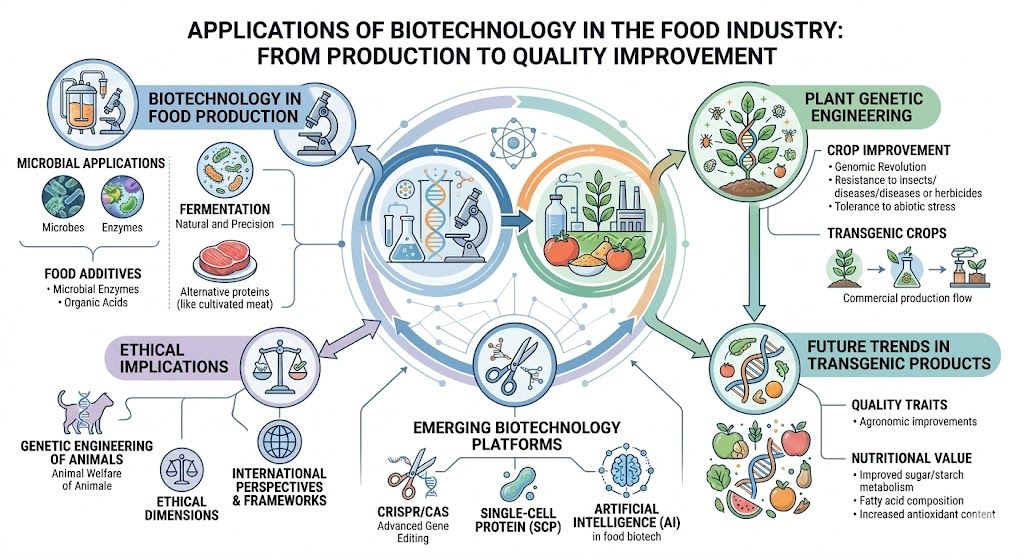
Modern biotechnology, driven by genetic engineering and recombinant DNA technology, has become a key tool in advancing the food industry. Optimized gene vectors, appropriate host cells and controlled fermentation processes enable efficient production of proteins, enzymes, bioactive compounds and bio-based additives with improved quality and purity. These technologies support the production of alternative proteins, functional ingredients and microbial-based strategies for contamination control. Plant genetic engineering enhances crop resistance to biotic and abiotic stresses and facilitates the development of genetically modified crops with improved agronomic performance. Emerging uses focus on improving nutritional quality, carbohydrate metabolism, fatty acid composition and antioxidant content. Genetic engineering of animals for recombinant protein production is progressing, although ethical concerns are still reported.
This narrative review investigates publications, 1999–2024, retrieved from Scopus, PubMed, Science Direct and Google Scholar. It highlights the uses of microbial fermentation, plant biotechnology and emerging technologies such as CRISPR/Cas9 and artificial intelligence in improving food production, safety and nutritional value. Despite its significant potential, commercialization of biotechnology-based products is limited by high production costs, scalability limitations and regulatory challenges. Addressing these barriers through effective governance and technological innovation is essential for developing sustainable, safe and high-quality food systems as well as supporting the transition toward a circular bioeconomy.
Keywords: Biotechnology, Food security, Fermentation, Genetically modified organisms, Microbial uses, Plant genetic engineering
- Introduction
Biotechnology has become a central driver of innovation in modern food systems, enabling the development of sustainable production strategies, value-added food ingredients and advanced approaches for food quality and safety management. Recent advances in recombinant DNA technology, metabolic engineering, synthetic biology, genome editing and precision fermentation have expanded the capacity to produce proteins, enzymes, functional metabolites and bio-based additives at industrial scale. These technologies are increasingly used to address major challenges facing the food sector, including resource limitations, environmental sustainability, supply chain resilience and the increasing demand for nutritious foods. The integration of molecular biotechnology with food production systems has accelerated the development of improved crop varieties, engineered microbial cell factories and novel protein platforms. Therefore, biotechnology is no longer limited to enhancing productivity but is increasingly shaping the transition toward more sustainable, efficient and circular food systems.
One of the major outcomes of modern biotechnology is the development of genetically modified organisms (GMO), whose genetic composition has been altered through genetic engineering. Recombinant DNA technology involves the integration of genetic material from various sources into a single DNA molecule, generating novel genetic combinations and enabling the production of transgenic organisms [1]. In response to increasing food security challenges, agri-food innovation has increasingly shifted toward value-added production and the integration of upstream production with downstream processing, aiming to improve nutritional quality, functionality and sustainability. The use of transgenic technology is majorly concentrated on a few major crops such as soybean, maize, cotton and canola. These crops, including characteristics such as herbicide and disease resistances, are majorly cultivated in temperate regions and limited to a few commercial products. Their genetic modifications enable gradual and targeted improvement of existing characters [2].
Proteins are essential food constituents due to their nutritional and techno-functional attributes. Increasing demand for sustainable protein production has accelerated the development of alternative protein sources, including plant-derived proteins and biotechnology-based production platforms [3]. Proteins are within the most valuable food components owing to their nutritional and functional attributes. Therefore, significant research efforts have focused on biotechnology-driven protein production systems, including recombinant protein expression, microbial cell factories and precision fermentation technologies [4,5]. These developments are particularly important for increasing global food demand, climate change and resource constraints, which increasingly challenge the sustainability of conventional food production systems [6,7].
Based on the State of Food Security and Nutrition in the World (SOFI) 2024 report, approximately 733 million people suffered from chronic hunger in 2023, representing an increase of nearly 152 million, compared to 2019. With the global population projected to reach 9.7 billion by 2050, food production systems face increasing pressure from limited arable land, water scarcity and climate change. Relatively, modern biotechnology has emerged as a promising approach to improve food security, enhance agricultural productivity and strengthen the resilience and sustainability of agri-food systems [8–10].
Based on projections, the global population will reach approximately 8.1 billion by 2030, increasing by more than 75 million people annually. Most population growth occurs in developing countries, which already face significant economic and environmental pressures. If per capita consumption is still unchanged, grain production must increase from 1.92 billion tons in 1990 to nearly 2.88 billion tons by 2030 to meet global demands [11, 12]
Microorganisms constitute an important component of modern food biotechnology, contributing to food fermentation, preservation and biocontrol strategies. Lactic acid bacteria (LAB), in particular, have demonstrated significant potential for improving food safety and quality through the inhibition of spoilage and pathogenic microorganisms [13–17]. They function as biological agents for pest control, fertilizers and growth stimulants in agriculture. Therefore, integration of microbial biotechnology and protein science not only enhances the development of novel therapeutic and diagnostic tools but also supports food security by providing sustainable and cost-effective protein sources for global change.
- Uses of Biotechnology in Food Production
2.1. Microbial Uses
Microorganisms and their biological products are addressed as key tools for the development of sustainable food systems [18]. These uses include production of enzymes, proteins, colorants, additives, probiotics, prebiotics and postbiotics [19]. Many of these products can be derived from agricultural waste and food byproducts, creating added value and aligns with the principles of the circular economy [20]. Traditional and advanced fermentation processes enable the production of fermented foods and beverages with health-promoting characteristics. The use of bioreactors with precise control of physicochemical conditions ensures high yield and a low carbon footprint [21]. This method is addressed as an important component of the human diet for ensuring health [22, 23]. Furthermore, the ability to genetically modify and precisely synthesize microbial products provides the possibility of producing customized food ingredients and additives with high quality, independent of agricultural land and specific climatic conditions [24, 25]. These characteristics make microorganisms and their products a sustainable scalable option for enhancing the resilience, safety and performance of modern food systems.
2.1.1. Fermentation
Fermentation is one of the oldest food technologies, dating back to approximately 7000 BCE. Since the dawn of civilization, it has been used to process raw materials such as milk, meat and vegetables to produce foods with longer shelf life and desirable flavors [26, 27]. This chemical process, driven by microbial metabolism and enzymes, alters organic matter [28]. In modern industrial biotechnology, fermentation has wide uses. With the help of omics sciences, molecular cloning, synthetic biology and enzyme engineering, it enables the optimization of metabolic pathways, increased product yields and industrial-scale production of food ingredients. Recent advances in omics technologies such as metagenomics, metabolomics and transcriptomics have significantly improved the common understanding of the genetic, functional and metabolic characteristics of microbial communities in fermentation [29-30]. Nowadays, engineered microbes are used in precision fermentation (PF) for the production of high-value food additives and components [31].
2.1.2. Natural Fermentation
Natural fermentation is a spontaneous biochemical process; in which, microorganisms naturally present in the environment—such as bacteria and fungi—convert organic materials, particularly carbohydrates. In this method, pure cultures or engineered strains are not used. It has traditionally been used for the production of various fermented foods. Although this method is cultural and often safe, the lack of standardization means its commercial use or export carries risks unless HACCP systems are implemented. Unlike controlled fermentation, natural fermentation relies on the spontaneous activity of the microbiota present in the environment or raw material. Therefore, it is further susceptible to microbial variability and contamination. Traditional foods such as kimchi, tempeh and sourdough bread are generally safe. Under unfavorable conditions, these foods may contain undesirable microorganisms or harmful compounds such as biogenic amines and mycotoxins [32–34].
Natural fermentation is divided into two major categories: wild fermentation (WF) and traditional fermentation (TF). The WF is based on the native microbes of the raw material or the surrounding environment and is used in the production of cheese, yogurt, bread, wine and fermented beverages [32, 35, 36]. Compared to acidified milk, yogurt consumption produces stronger biological effects, especially on blood gene expression, as shown in recent studies [37]. This method is an important source of bioactive compounds such as antioxidants, bioactive peptides, short-chain fatty acids, amino acids, vitamins and minerals [38]. The TF is a type of natural fermentation; however, it needs the addition of starter cultures, which can be natural (using the back-slopping method) or commercial [39].
2.1.3. Precision Fermentation for Alternative Protein
Precision fermentation enables the production of recombinant dairy proteins (casein and whey), egg white alternatives and other functional ingredients using engineered microorganisms such as yeast and fungi [40]. This technology offers opportunities for sustainable protein production independent of animal agriculture. Challenges include scalability, downstream processing costs and regulatory approval for novel proteins [41,42].
2.2. Food Additives and Ingredients
Based on the Codex Alimentarius (CA) definition, food additives are substances that are not normally consumed as food by themselves and are intentionally added to food for technological purposes, including sensory characteristics. This definition does not include contaminants, nutrients and table salt [37]. Innovation in food additives not only involves replacing chemical compounds with natural ones but also uses microbial and biotechnological processes that enable the production of sustainable and health-oriented alternatives. Over time, chemical additives have been most widely used due to their scalability and lower cost. However, microbial additives are increasingly emerging as a sustainable healthier alternative. Nevertheless, there is a need of stricter regulations to prevent risks arising from the inappropriate use of certain microorganisms [39].
2.2.1. Classification and Safety of Microbial Food Additives
Microbial biological products used as food additives include enzymes, organic acids, stabilizers, colorants, sweeteners, flavorings and other bioactive and nutritional substances. These provide numerous opportunities for developing novel, further sustainable and environmentally friendly food additives. However, when using these microbial additives in foods and beverages, the safety guidelines of regulatory organizations must fully be addressed due to the potential presence of allergens. This is particularly important because some of these—especially proteins and enzymes—may cause sensitivity and allergic reactions [39– 41]. In addition, studies have shown that certain food additives such as sodium benzoate and nisin may affect gene expression in human cells, indicating that their effects extend in addition to technological functions to biological responses [42, 43].
2.2.2. Microbial Enzymes
More than 3,000 types of microbial enzymes have been identified. Due to their high catalytic efficiency, substrate specificity and compatibility with environmentally sustainable processes, they have the ability to replace expensive chemical methods and decrease the production of hazardous waste [42–44]. These enzymes act optimally under mild physicochemical conditions such as pH and temperature; thereby, contributing to sustainable food production. Important examples include L-asparaginase, which decreases acrylamide formation in thermally processed foods and various industrial enzymes including phytases, lipases, lactases, pectinases and laccases used as processing aids in the bakery, dairy and brewery industries.
2.2.3. Microbial Organic Acids
Microbial organic acids, including acetic, lactic, propionic, succinic and citric acids, play a significant role in food preservation, flavor enhancement and technological performance. Their production from microorganisms is more cost-effective and environmentally friendly compared to chemical methods [45]. These organic acids are produced by probiotic bacteria such as Lactobacillus and Bifidobacterium species and function as effective antimicrobial agents against foodborne pathogens including Salmonella spp., Escherichia coli and Listeria monocytogenes. With advances in biotechnology-associated technologies, including molecular tools and bioreactors, the use of these microbial acids in the food industry is increasing, facilitating the sustainable and efficient production of additives.
2.3. Bacterial Contaminants in Food
Microbial contamination of food is one of the most important public health concerns and is responsible for a large proportion of foodborne diseases. More than 250 foodborne disease-causing agents have been identified and studies indicate an increasing prevalence of these illnesses [46]. Foodborne diseases are typically manifested by symptoms such as abdominal pain, diarrhea, vomiting, chills, anxiety and respiratory problems. These effects may result either from direct bacterial infection, such as Clostridium perfringens or from bacterial toxins, such as botulinum toxin. Foods such as poultry, processed meats, seafood, dairy products, fruits and vegetables are more frequently exposed to contamination. Foodborne diseases are generally classified into two categories: food infections and food poisoning [47, 48].
Based on WHO reports, food and water contamination causes approximately two billion cases of diarrheal disease annually, leading to significant mortality, with 30% of deaths occurring in children under five years of age. In the USA, foodborne diseases affect nearly 48 million people annually, resulting in approximately 128,000 hospitalizations and 3,000 deaths per year [49]. Bacteria are the primary cause of foodborne diseases and important species such as Listeria monocytogenes, Salmonella spp., E. coli, Staphylococcus aureus, Clostridium spp. and Campylobacter spp. are responsible for these public health risks [48, 49]. The L. monocytogenes is a Gram-positive bacterium that causes listeriosis, a severe disease characterized by sepsis, meningitis and maternal–fetal complications. It primarily affects immunocompromised individuals, the elderly and pregnant women, with a mortality rate of 20–30% [50, 51].
Salmonella enterica, a Gram-negative flagellated bacillus, is responsible for approximately 26% of bacterial foodborne infections in the USA and is transmitted through the consumption of contaminated food or water. Escherichia coli represents a diverse group of Gram-negative bacteria, some strains of which, such as Shiga toxin-producing Escherichia coli (STEC), cause severe disease. These strains are transmitted through the consumption of raw or undercooked meat, unpasteurized milk and contaminated fresh vegetables and can lead to complications such as hemolytic uremic syndrome [52, 53]. Preventive strategies include proper cooking, hygiene practices and minimizing cross-contamination during food preparation. Early and accurate detection of bacterial contamination in food is critical for ensuring food safety and preventing disease outbreaks. Methods for detecting foodborne pathogens include conventional culture techniques, immunological assays, molecular methods and emerging technologies such as biosensors. The choice of method depends on the target molecule and the needed sensitivity and specificity.
- Plant Genetic Engineering
3.1. Biotechnology Capacities in Crop Improvement
In many developing regions, particularly in Africa, agricultural productivity growth has been relatively slow. Since 1970, cereal yield increases in Africa have been approximately half those addressed in Latin America. Traditional plant, animal and aquaculture breeding methods have primarily focused on increasing productivity, improving resistance to diseases and pests and enhancing nutritional and processing quality. Significant advances in cell genetics and molecular biology during the 1960s played a key role in the Green Revolution, which, through the introduction of high-yielding and disease-resistant varieties, dramatically transformed food production in both developed and developing countries [54].
3.2. The Genomic Revolution
Whole-genome sequencing projects of several important plant species, including maize (Zea mays), sorghum (Sorghum bicolor), alfalfa (Medicago sativa) and banana (Musa spp.), are currently underway. Comprehensive genome sequencing provides key insights into gene and genome organization and function and has the potential to transform our understanding of crop production while enabling the manipulation of characters associated with yield improvement [54, 55].
In addition, advances in microarray technology enable the simultaneous analysis of the expression of a large number of genes; thereby, elucidating gene functions and complex interactions within them under various environmental conditions. These studies are complemented by more precise approaches, including gene silencing, cosuppression or antisense inhibition of specific genes, as well as DNA marker-assisted selection. Recombinant DNA technology not only enables gene sequencing and functional characterization but facilitates the identification of chromosomal regions associated with economically important characters [55].
3.3. Resistance to Insects, Diseases and Herbicides
Most insect-resistant transgenic plants have been developed using δ-endotoxin genes from Bacillus thuringiensis (Bt), although current research is investigating non-Bt genes that disrupt insect feeding. These include genes encoding protease inhibitors, chitinases, plant secondary metabolites and lectins. Insect-resistance genes have been introduced into a wide range of crops, including maize, cotton, potato, tobacco, rice, broccoli, lettuce, walnut, apple, clover and soybean. Cry toxins produced by Bt have been effective in controlling major pests such as cotton bollworm, corn earworm, European corn borer and rice stem borer. Moreover, successful expression of Bt genes has been reported in other crops such as tomato, eggplant, peanut, pea and potato [56].
The introduction of insect-resistant crops resulted in a decrease of approximately 1 million kilograms of pesticide use in the USA in 1999 compared to 1998. Transgenic papaya resistant to papaya ringspot virus has been successfully cultivated in Hawaii since 1996. Similarly, transgenic rice resistant to rice yellow mottle virus (RYMV) has enabled effective control of this difficult pathogen and decreased the risk of complete crop failure. Globally, herbicide-resistant soybean, insect-resistant maize and genetically modified cotton together account for 85% of the total area planted with transgenic crops [57].
3.4. Plant Tolerance to Abiotic Stress
The development of crop plants with inherent resistance to abiotic stresses can help stabilize agricultural production and enhance food security in developing countries. In transgenic plants, the expression of bacterial enzymes trehalose-phosphate synthase and trehalose-phosphate phosphatase, which are responsible for trehalose biosynthesis, has resulted in increased leaf size, altered stem growth and improved stress tolerance. Furthermore, increased expression of glutamate dehydrogenases (GDH), particularly the α and β subunits from Chlorella sorokiniana, enhances plant growth under stress conditions [58].
Rice plants engineered with the barley LEA (late embryogenesis abundant) gene have shown improved stress resistance, highlighting the potential of genetic interventions. Other strategies include engineering plants to increase citric acid production in roots for aluminum toxicity tolerance in acidic soils and introducing plant farnesyltransferase genes to enhance salt tolerance via activation of functional calcineurin pathways. Inhibition of these enzymes in plants has been associated with improved drought resistance, delayed senescence and altered growth patterns. The salt tolerance gene from the mangrove species Avicennia marina has successfully been cloned and has potential uses in crop plants. Additionally, the gutD gene from E. coli has been used to enhance salinity tolerance in plants [57].
3.5. Commercial Production of Transgenic Agricultural Crops
Between 1996 and 2004, herbicide tolerance was the most widely introduced trait in commercial transgenic crops, followed by insect resistance. In 2004, herbicide-tolerant soybean and cotton accounted for 72% of the global transgenic crop area, corresponding to 58.5 million hectares. The Bt insect-resistant crops accounted for 15.7 million hectares (20%), while stacked trait crops (cotton or maize containing both herbicide tolerance and insect resistance) represented 8% of the global area, equivalent to 6.8 million hectares.
- Foods produced through modern biotechnology can be classified into four categories:
- Foods that contain or consist of living/active organisms (e.g., maize).
- Raw materials derived from transgenic crops (e.g., flour, proteins and soybean oil).
- Substances or additives produced by genetically modified microorganisms (GMM) such as pigments, vitamins and essential amino acids.
- Raw materials processed using enzymes produced by GMMs (e.g., high-fructose corn syrup produced from starch using glucose isomerase) [58].
- Further Trends in Transgenic Products
4.1. Quality Traits
Quality traits refer to the characteristics of final agricultural products, including their appearance and chemical composition as well as the increased concentration of essential macro and micronutrients needed for human nutrition. Incorporating such traits into staple food crops can particularly be beneficial for low-income populations that lack access to further nutritious and higher-value foods. For example, researchers have successfully developed transgenic rice varieties with significantly enhanced vitamin A content, which are used in rice breeding programs. Promising advances in biotechnology research have been reported for improving the concentration of other essential vitamins and minerals [55].
4.2. Agronomic Traits
The first generation of transgenic crops was primarily introduced to improve agronomic characteristics. Research and innovation in this field continue, with a focus on simultaneously enhancing agronomic performance and nutritional quality of crops [55]. Agronomic traits or “input traits,” involve genetic modifications that stabilize or increase crop productivity under field conditions. From the most prominent traits are resistance to pests and diseases, which are often encoded by single genes (monogenic traits) [8]. Pest- and disease-resistant transgenic crops have widely been commercialized. This is particularly important because biotic stresses such as pests, pathogens and viruses account for approximately 25–30% of global crop losses. Enhanced viral resistance plays a key role in improving agricultural productivity and biotechnological interventions can significantly decrease these losses while decreasing the need of chemical pesticides [58].
In addition to first-generation transgenic crops, new technologies include genome editing (CRISPR/Cas) for precise trait modification without foreign DNA integration, RNA interference (RNAi) for gene silencing (e.g., non-browning apples and virus-resistant papaya), gene stacking for combining multiple traits (e.g., insect, herbicide and drought tolerances) and development of climate-resilient crops with enhanced heat, drought and/or salinity tolerance. Other valuable agronomic traits include increased yield potential and tolerance mechanisms to abiotic stresses such as drought, cold and nutrient deficiency. These traits are typically polygenic and recent advances in molecular mapping and functional genomics suggest that their development becomes significantly further possible in the near to medium term [59].
4.3. Changes in Nutritional Value and Product Composition
Diverse quality traits can be targeted to improve the nutritional value of agricultural products, including carbohydrates, proteins, oils, vitamins, iron and amino acids. The selection of these traits is generally affected by the needs of consumers, agricultural producers and associated industries. Current research in this field has shifted from simple agronomic traits such as herbicide and pest resistance to further complex traits that provide direct nutritional benefits to consumers, including improved grain composition. For example, transgenic rice capable of producing beta-carotene to address vitamin A deficiency has been developed [8].
Rice, as a staple food, is naturally deficient in essential vitamins and minerals such as iron [60]. Through genetic modification, rice varieties with increased levels of vitamin A (as beta-carotene), iron and improved protein content have been developed. Similar nutritional enhancements have been used to other staple crops such as cassava, banana and potato. Biofortified rice, known as golden rice, offers significant dietary benefits, particularly due to its high beta-carotene content as a precursor of vitamin A. Vitamin A plays a critical role in supporting immune function, preventing visual disorders and blindness and promoting healthy growth and development. The development of such biofortified crops can significantly decrease child mortality and ease pressure on healthcare systems in low-income countries. Various strategies available to address vitamin A deficiency, including food fortification and vitamin supplementation and development of vitamin A-enriched rice have widely been discussed in expert communities and international organizations such as FAO [11, 61].
4.4. Sugar and Starch Metabolism
Sucrose phosphate synthase (SPS) plays a key role in regulating sucrose metabolism in plants. Transgenic plants expressing maize SPS under the control of the small subunit promoter of tobacco Rubisco have shown a higher sucrose-to-starch ratio in leaves and decreased leaf carbohydrate accumulation under increased CO₂ conditions. Changes in metabolite activity in the TCA cycle such as decreased levels of NAD-malic enzyme contribute to increased starch accumulation. Other metabolic engineering strategies include the introduction of inorganic pyrophosphatase from E. coli to affect sugar levels and the modification of hexokinases, which act in sugar sensing. Alterations in sucrose-binding proteins and a class of proteins known as “cupins,” which are involved in sugar unloading during seed development in legumes, have been investigated. These approaches offer promising opportunities to modify the chemical composition of food grains and adapt them to specific nutritional needs [62].
4.5. Modification of Fatty Acid Composition
Advances in genetic engineering have enabled the modification of fatty acid composition in agricultural crops to improve nutritional value and processing quality. For example, increasing the level of monounsaturated fatty acids such as oleic acid while decreasing polyunsaturated fatty acids such as linoleic acid allows oil processing without hydrogenation; thereby, preventing the formation of harmful trans fatty acids. Genetic modifications have been used to alter starch composition in crops, particularly the amylose-to-amylopectin ratio. Decreasing certain oligosaccharides such as raffinose and stachyose improves digestibility and decreases gastrointestinal discomfort such as bloating. Changes in starch and lipid profiles are important for developing healthier food products. For example, increasing starch content in potatoes decreases oil absorption during frying, resulting in lower-fat products. The fatty acid profiles of soybean and rapeseed have been modified to produce oils with decreased saturated fat content. Current research focuses on transgenic soybean, rapeseed and palm oil. In the USA, two transgenic crops with modified lipid profiles have been approved for cultivation and use in food and animal feed, including high-oleic soybean and high-lauric rapeseed [63].
4.6. Increase in Antioxidant Content
Transgenic biotechnology can enhance levels of beneficial phytochemicals in food crops while decreasing anti-nutritional compounds. For example, the contents of lycopene and lutein in tomato and isoflavones in soybean have increased through genetic modification [8]. Table 1 summarizes recent research on transgenic products, including quality traits, agronomic traits, nutritional composition, sugar and starch metabolisms, fatty acid modification and antioxidant enhancement.
- Further Trends in Transgenic Products
5.1. Genetic Engineering in the Production of Animal Proteins
Transgenic animals contain a specific recombinant DNA sequence that is transmitted to subsequent generations and is capable of expressing specific proteins. Due to the uniformity of nucleotides across all living organisms, these genes can function appropriately in various species, whether animal, plant or microbial species. Proteins produced in transgenic animals include therapeutic proteins for human diseases, disease-resistant proteins for animals and proteins that improve the quality of animal products such as milk, eggs and meat [64, 65].
Genetic engineering goes beyond the limitations of conventional selective breeding and enables the production of novel high-value proteins. Many therapeutic human proteins need post-translational modifications that can only be carried out in animal cells. Currently, the production of these proteins is majorly carried out in bioreactors, which are limited in capacity and associated with high costs. Transgenic animals provide a further economical efficient alternative by expressing recombinant proteins in body fluids, plasma or eggs, enabling high-yield production of biologically active proteins. A prominent example of this technology is ATryn (antithrombin III), produced from genetically engineered goats, which was approved in 2006 for the treatment of hereditary antithrombin deficiency [66].
Transgenic animals in agriculture have been developed to improve productivity, disease resistance and decrease environmental impacts; however, greater economic support and progress have been addressed in medical and therapeutic biotechnology uses. The commercialization of agricultural biotechnology faces challenges such as high costs, lengthy regulatory approval processes and limited consumer acceptance. Investors are still cautious due to ethical concerns, safety issues and lower public acceptance of genetically modified animals for food production [67].
In the USA, Food and Drug Administration (FDA) regulates transgenic animals under the “new animal drug” framework. This regulation primarily focuses on animal safety, the functional efficacy of the introduced gene and the safety of derived food products. However, the FDA has not issued formal guidelines on the genetic information needed for assessment, leaving the commercialization of transgenic food animals unclear and limited [68]. Growth hormone genes have been modified in fish species such as tilapia to increase production efficiency and improve access to fish protein in local diets. Currently, no transgenic food animal has been approved for sale in the USA; however, fast-increasing fish species represent the closest candidates for commercialization, with several species under regulatory review in at least three countries [69].
Transgenic Atlantic salmon, modified with a growth hormone gene from Chinook salmon, grows up to five times faster, decreasing production time while maintaining a size similar to conventional salmon. Genetic engineering has been used to enhance growth rates in at least eight other fish species, including carps, trout, tilapias and catfishes. Based on the increasing global demand for fish, this technology can play a significant role in supplying dietary protein in both developed and developing countries [70]. Researchers develop improved feed formulations and growth-enhancing genes in livestock to improve phosphorus absorption, decrease phosphorus excretion and enhance meat and milk qualities. Although these products are not commercialized, promising uses are under investigation [71].
- Emerging Biotechnology Platforms in Food Production
6.1. CRISPR/Cas and Advanced Gene Editing
Emerging biotechnology platforms are profoundly reshaping contemporary food production by providing innovative solutions to pressing challenges associated to food security, environmental sustainability, nutritional enhancement and resilience to climate change. From these technologies, CRISPR/Cas-based genome editing has emerged as a highly precise and efficient approach for targeted modification of plant and microbial genomes [72]. This technology enables the development of crop varieties with improved resistance to pests, pathogens, drought and salinity, while decreasing the likelihood of unintended genetic alterations. In comparison with conventional genetic engineering, CRISPR offers greater specificity, operational efficiency and cost-effectiveness; thereby, making it particularly valuable for agricultural uses. Moreover, recent advances in multiplex genome editing and base editing have expanded its potential to improve crop yield, nutritional composition and post-harvest quality traits. In parallel, synthetic biology is transforming food systems through the rational design and engineering of biological components, genetic circuits and metabolic pathways. This field has facilitated the production of high-value food ingredients, enzymes, flavor compounds and alternative proteins using engineered microorganisms [73]. Similarly, cellular agriculture has enabled the cultivation of meat, dairy and seafood products directly from animal cells under controlled conditions; thereby, decreasing reliance on conventional livestock production and its associated environmental burdens.
6.2. Single-cell Protein (SCP)
Single-cell protein (SCP) refers to protein-rich edible biomass derived from microorganisms, including bacteria, yeasts, fungi and microalgae. Microbial species (e.g. Methylococcus capsulatus, Saccharomyces cerevisiae, Candida utilis, Fusarium venenatum and Spirulina) have widely been investigated as SCP sources due to their high protein content and favorable nutritional profile. The SCP is addressed as a promising alternative protein source because it can be produced rapidly and needs substantially less land and water than conventional livestock-based protein systems [74]. In addition, the use of low-value substrates and agro-industrial byproducts—such as using date wastes for the production of high-protein mycoprotein—supports circular bioeconomy principles and may improve the sustainability and economic feasibility of food and feed uses [75–76].
6.2.2. Microbial Production of Single-cell Protein (SCP) and Single-cell Oils (SCO)
Microorganisms, including oleaginous yeasts, molds and microalgae, serve as robust platforms for the microbial production of alternative proteins and functional lipids. In addition to single-cell protein (SCP), these microbial systems are highly efficient in synthesizing single-cell oils (SCO) and essential fatty acids. Using agro-industrial wastes, sub-quality food byproducts or cheap carbon sources as substrates, oleaginous microorganisms can accumulate high concentrations of lipids within their cells. This microbial approach presents a sustainable and scalable alternative to traditional animal and plant-derived fats, significantly decreasing land and water usage while contributing to a circular bioeconomy [77,78].
6.3. Artificial Intelligence (AI) in Food Biotechnology
Artificial intelligence (AI) is increasingly being integrated into food biotechnology as a complementary platform that enhances the efficiency, precision and scalability of biological innovation. Machine learning algorithms can analyze large-scale genomic, transcriptomic, metabolomic and phenotypic datasets to identify candidate genes, optimize metabolic engineering strategies and accelerate strain development for food-associated uses. For cellular agriculture, AI-based models contribute to the optimization of cell culture parameters, bioreactor performance and production costs; thereby, improving the commercial feasibility of cultivated food products [75]. Furthermore, AI supports predictive modeling for food quality assessment, safety assessment and supply chain management, enabling more informed and data-driven decision-making across the food production continuum [79]. Collectively, genome editing, synthetic biology, cellular agriculture and AI are converging to form an integrated technological framework with the potential to redefine further food systems toward greater sustainability, resource efficiency and resilience in response to population growth and environmental pressures.
- Ethical Implications of Biotechnology
Research involving transgenic animals is subject to ethical regulations governing the use of animals in scientific studies. Institutions receiving federal funding must comply with the Animal Welfare Act of 1966 and establish an Institutional Animal Care and Use Committee (IACUC) to ensure ethical oversight of research activities. This committee reviews protocols involving a wide range of animals, including pets, rodents, primates and farm animals used in non-agricultural scientific and educational projects [80].
Additionally, the Animal Welfare Act needs institutions to implement veterinary care programs, ensure that personnel responsible for animal handling are appropriately trained and qualified and establish systems for reporting animal welfare concerns. The law is enforced by the United States Department of Agriculture (USDA), including unannounced inspections by veterinary officers. Globally, the Association for Assessment and Accreditation of Laboratory Animal Care (AAALAC) assesses and accredits institutions that adhere to ethical and responsible animal care standards [81].
7.1. Genetic Engineering of Animals
Several methods have been used to produce transgenic livestock, each with various efficiency. Over the past two decades, microinjection of foreign DNA into fertilized embryos has been the most common method. However, this approach is relatively inefficient, with only 3–5% of animals successfully incorporating the foreign gene. Moreover, random integration of DNA into the genome leads to variability in gene expression and may negatively affect animal health such as growth abnormalities addressed in animals carrying growth hormone genes. Techniques such as intracytoplasmic sperm injection (ICSI) have been investigated to improve DNA delivery; however, success rates are still limited [82].
7.2. Ethical Dimensions of Genetic Engineering in Animals
Public opinion research indicates that genetic modification of animals raises significant ethical concerns. Two primary issues include the violation of species boundaries and the transformation of life into a manipulable tool for economic benefit, as well as disruption of the animal’s “telos,” meaning its natural set of needs and behaviors shaped by the interaction of genetics and environment. However, some argue that similar changes occur through conventional breeding methods [67]. In the USA, there is no unified framework for addressing ethical concerns. Although a 2005 survey found that 63% of respondents supported the inclusion of ethical considerations in government decisions regarding cloning and genetic engineering, the FDA continues to prioritize a science-based and risk-assessment approach, placing less emphasis on ethical issues [83].
7.3. International Perspectives on Ethical Frameworks
In addition to the US regulatory system, other international bodies have established distinct ethical and regulatory approaches to genetically modified (GM) food products. The European Food Safety Authority (EFSA) applies the precautionary principle, which needs more rigorous pre-market authorization, mandatory labeling and traceability of GM products. This approach places greater emphasis on consumer choice, environmental ethics and the right to know, reflecting a different ethical balance compared to the US risk-assessment model [84].
The Codex Alimentarius Commission (CAC), established by the Food and Agriculture Organization (FAO) and the World Health Organization (WHO), provides internationally harmonized guidelines through the "Principles for the Risk Analysis of Foods Derived from Modern Biotechnology" (CAC/GL 44-2003). This framework explicitly recognizes that individual consumers may ethically or morally wish to avoid foods derived from modern biotechnology. Therefore, Codex allows various countries to adopt various labeling approaches based on their national policies and consumer needs, while maintaining internationally addressed food safety standards [85]. Therefore, a comprehensive ethical discussion of animal biotechnology must integrate not only the US science-based framework but the precautionary approach of the European Union (EU) and the consumer-rights-oriented guidelines of the CA.
- Challenges and Perspectives
Food biotechnology, particularly based on microorganisms and advanced fermentation processes, includes significant potential for achieving sustainable food production and decreasing dependence on animal-based resources. However, scaling up from laboratory to industrial production is still one of the major challenges in this field. Issues such as fermentation scalability, high capital and operational costs, process control complexity and variability in substrate composition (especially agricultural wastes) can affect production efficiency and sustainability. In addition, regulatory barriers, safety standards, consumer acceptance and ethical concerns further limit large-scale deployment.
From a scientific perspective, progress in this field needs an integrated, multidisciplinary approach. The use of advanced tools such as synthetic biology, omics technologies and metabolic engineering can improve microbial strains, increase production yields and enhance process stability. Furthermore, optimization of fermentation parameters, development of flexible processes and use of biowastes as substrates are key strategies for cost decrease and transition toward a circular bioeconomy. Realizing the full potential of biotechnology in the food industry needs effective collaboration within researchers, industry stakeholders and regulatory authorities with transparent regulatory frameworks and improved public awareness. Such an approach can enable the production of safer, further nutritious and further sustainable foods, playing a vital role in ensuring food security and environmental protection.
- Conclusion
Modern biotechnology, including genetic engineering, gene editing and use of modified microorganisms, has played a transformative role in food industry. These technologies have not only increased agricultural productivity and improved crop quality—exemplified by higher-yielding and further stress-resistant transgenic crops—but have widely been used in food processing. Key uses include the production of microbial enzymes, optimization of fermentation processes, extension of product shelf life and enhancement of nutritional value. In addition, biotechnology has enabled development of functional foods, contributed to the decrease of food waste and improved supply chain efficiency. These advances collectively support food security and promote consumer health. Moreover, biotechnological innovations in medicine and environmental protection highlight the multidisciplinary and integrative nature of this field in enhancing overall human quality of life. However, the effective and responsible use of biotechnology in food industry needs careful consideration of several critical factors, including safety assessments, social and ethical acceptances, transparent regulatory frameworks and equitable access to technologies across various regions and communities. Sustainable development of the food industry depends on the responsible use of biotechnology, adequate support for producers, continuous improvement of production efficiency and design of sustainable and cost-effective food systems. Such an integrated approach can simultaneously ensure food security, protect public health and preserve the environment.
- Declaration
10.1. Acknowledgements
This study was supported by Shahid Beheshti University, Tehran, Iran.
10.2. Declaration of competing interest
The authors declare no competing financial interests or personal relationships that could affect the current study.
10.3. Authors’ Contributions
All authors contributed substantially to the conception and design of the study, literature review, data interpretation, drafting and critical revision of the manuscript, and approved the final version for publication.
10.4. Using Artificial Intelligent Chatbots
The authors used artificial intelligence (AI) solely to improve the language and readability of the manuscript. All scientific content, interpretation, and conclusions were developed and verified by the authors, who take full responsibility for the final manuscript.
10.5. Ethical Consideration
This study did not involve human or animal subjects.
- Biotechnology
- Food security
- Fermentation
- Genetically modified organisms
- Microbial uses
- Plant genetic engineering
ارجاع به مقاله
مراجع
1. Bawa A, Anilakumar KR. Genetically modified foods: safety, risks and public concerns- A review. J Food Sci Technol. 2013; 50(6):1035-1046. https://doi.org/10.1007/s13197-012-0899-1
2. Beyers L, Ismaël Y, Piesse J, Thirtle C. Can GM-technologies help the poor? The efficiency of Bt cotton adopters in the Makhathini Flats of KwaZulu-Natal. Agrekon. 2002; 41(1): 62-74. https://doi.org/10.1080/03031853.2002.9523586
3. Day L, Cakebread JA, Loveday SM. Food proteins from animals and plants: Differences in the nutritional and functional properties. Trends Food Sci Technol. 2022; 119: 428-442. https://doi.org/10.1016/j.tifs.2021.12.020
4. Loveday SM. Food proteins: Technological, nutritional and sustainability attributes of traditional and emerging proteins. Annu Rev Food Sci Technol. 2019; 10(1):311-339. https://doi.org/10.1146/annurev-food-032818-121128
5. Dekkers BL, Boom RM, van der Goot AJ. Structuring processes for meat analogues. Trends Food Sci Technol. 2018; 81:25-36. https://doi.org/10.1016/j.tifs.2018.08.011
6. Rahman MM, Khan I, Field DL, Techato K, Alameh K. Powering agriculture: Present status, future potential and challenges of renewable energy applications. Renew Energy. 2022; 188: 731-749. https://doi.org/10.1016/j.renene.2022.02.065
7. Singh R, Singh H, Raghubanshi A. Challenges and opportunities for agricultural sustainability in changing climate scenarios: A perspective on Indian agriculture. Trop Ecol. 2019; 60(2):167-185. https://doi.org/10.1007/s42965-019-00029-w
8. Food and Agriculture Organization of the United Nations (FAO). The state of food security and nutrition in the world 2024: Financing to end hunger, food insecurity and malnutrition in all its forms. Rome: FAO; 2024.
9. Li L. The state of the world’s land and water resources for food and agriculture (SOLAW): Systems at breaking point. Rome: FAO; 2021.
10. Qaim M. Role of new plant breeding technologies for food security and sustainable agricultural development. Appl Econ Perspect Policy. 2020; 42(2):129-150. https://doi.org/10.1002/aepp.13044
11. Pal M, Zende R, Rebuma T, Bekele A, Nair A, Upadhyay D. Application of biotechnology for food production and quality improvement in the view of food security aspect. Biomedicine. 2025; 10(1):1-10. https://doi.org/10.12691/bb-10-1-1
12. Alexandratos N, Bruinsma J. World agriculture towards 2030/2050: The 2012 revision. Rome: FAO; 2012.
13. Ritala A, Häkkinen ST, Toivari M, Wiebe MG. Single cell protein—State-of-the-art, industrial landscape and patents 2001–2016. Front Microbiol. 2017; 8: 2009. https://doi.org/10.3389/fmicb.2017.02009
14. Lerner A, Benzvi C, Vojdani A. The frequently used industrial food process additive, microbial transglutaminase: Boon or bane? Nutr Rev. 2025; 83(3):e1286-e1294. https://doi.org/10.1093/nutrit/nuae087
15. Bajić B, Vučurović D, Vasić Đ, Jevtić-Mučibabić R, Dodić S. Biotechnological production of sustainable microbial proteins from agro-industrial residues and byproducts. Foods. 2022; 12(1):107. https://doi.org/10.3390/foods12010107
16. Thomsen PT, Nielsen SR, Borodina I: Recent advances in engineering microorganisms for the production of natural food colorants. Curr Opin Chem Biol. 2024; 81:102477. https://doi.org/10.1016/j.cbpa.2024.102477
17. Jothyswarupha K, Venkataraman S, Rajendran DS, Shri SS, Sivaprakasam S, Yamini T, Karthik P, Kumar VV: Immobilized enzymes: Exploring its potential in food industry applications. Food Sci Biotechnol. 2025; 34(7):1533-1555. https://doi.org/10.1007/s10068-024-01742-6
18. Vermelho AB, da Silva Cardoso V, Domingos LTS, Akamine IT, Amenu B, Osei BK, Junior AN: Advancements in microbial applications for sustainable food production. Foods. 2025; 14(19): 3427. https://doi.org/10.3390/foods14193427
19. Kango N, Nath S: Prebiotics, probiotics and postbiotics: the changing paradigm of functional foods. J Diet Suppl. 2024; 21(5):709-735. https://doi.org/10.1080/19390211.2024.2363199
20. Wang N, Wang B, Wan Y, Gao B, Rajput VD: Alginate-based composites as novel soil conditioners for sustainable applications in agriculture: A critical review. J Environ Manage. 2023; 348:119133. https://doi.org/10.1016/j.jenvman.2023.119133
21. Chaudhary R, Nawaz A, Fouillaud M, Dufossé L, Haq IU, Mukhtar H: Microbial cell factories: biodiversity, pathway construction, robustness and industrial applicability. Microbiol Res. 2024; 15(1):247-272. https://doi.org/10.3390/microbiolres15010018
22. Hernández-Velázquez R, Flörl L, Lavrinienko A, Sebechlebska Z, Merk L, Greppi A, Bokulich NA: The future is fermented: Microbial biodiversity of fermented foods is a critical resource for food innovation and human health. Trends Food Sci Technol. 2024; 150:104569. https://doi.org/10.1016/j.tifs.2024.104569
23. Valentino V, Magliulo R, Farsi D, Cotter PD, O'Sullivan O, Ercolini D, De Filippis F: Fermented foods, their microbiome and its potential in boosting human health. Microb Biotechnol. 2024; 17(2): e14428. https://doi.org/10.1111/1751-7915.14428
24. Dhiman S, Kumar A, Sharma K, Dhewa T: Microbial bioprocessing of food and agro-industrial residues for a sustainable circular economy. Indian J Microbiol. 2025; 65(3): 1452-1483. https://doi.org/10.1007/s12088-025-01464-1
25. Mukherjee G, Dhiman S: Value Addition and Utilization of Lignocellulosic Biomass: Springer; 2025. https://doi.org/10.1007/978-981-96-2786-8
26. Graham AE, Ledesma-Amaro R: The microbial food revolution. Nat Commun. 2023; 14(1): 2231. https://doi.org/10.1038/s41467-023-37891-1
27. Tamang JP, Watanabe K, Holzapfel WH: Diversity of microorganisms in global fermented foods and beverages. Front Microbiol. 2016; 7: 377. https://doi.org/10.3389/fmicb.2016.00377
28. Chai KF, Ng KR, Samarasiri M, Chen WN: Precision fermentation to advance fungal food fermentations. Curr Opin Food Sci. 2022; 47: 100881. https://doi.org/10.1016/j.cofs.2022.100881
29. Zhang Y, Zhu X, Wang N, Liu X, Wang L, Ning K: Synergy of traditional practices and modern technology: Advancing the understanding and applications of microbial resources and processes in fermented foods. Trends Food Sci Technol. 2025; 157: 104891. https://doi.org/10.1016/j.tifs.2025.104891
30. Rezaei-Tavirani M, Farahani M: Synthetic and Systems Biotechnology in Food Sciences. Appl Food Biotechnol. 2024; 11(2): e1-e1.
31. Boukid F, Ganeshan S, Wang Y, Tülbek MÇ, Nickerson MT. Bioengineered enzymes and precision fermentation in the food industry. Int J Mol Sci. 2023; 24(12):10156. https://doi.org/10.3390/ijms241210156
32. Mudoor Sooresh M, Willing BP, Bourrie BC. Opportunities and challenges of understanding community assembly in spontaneous food fermentation. Foods. 2023; 12(3):673. https://doi.org/10.3390/foods12030673
33. Navarrete R, Seheult J, Coffey M. New bio polymers for drilling, drill in, completions, spacer fluids and coiled tubing applications. In: IADC/SPE Asia Pacific Drilling Technology Conference and Exhibition. Kuala Lumpur, Malaysia: SPE; 2000. Paper No. SPE 62790 MS. https://doi.org/10.2523/62790-MS
34. Fayyaz K, Nawaz A, Olaimat AN, Akram K, Farooq U, Fatima M, Siddiqui SA, Rana IS, Shahbaz HM. Microbial toxins in fermented foods: health implications and analytical techniques for detection. J Food Drug Anal. 2022; 30(4):523. https://doi.org/10.38212/2224-6614.3431
35. Tamang JP, Shin DH, Jung SJ, Chae SW. Functional properties of microorganisms in fermented foods. Front Microbiol. 2016; 7:578. https://doi.org/10.3389/fmicb.2016.00578
36. Lee SH, Whon TW, Roh SW, Jeon CO. Unraveling microbial fermentation features in kimchi: from classical to meta omics approaches. Appl Microbiol Biotechnol. 2020; 104(18): 7731 7744. https://doi.org/10.1007/s00253-020-10804-8
37. Nejad MR, Razi F, Razzaghi Z, Bandarian F, Arjmand B, Rezaei Tavirani M. Assessing biological effects of yoghurt consumption against acidified milk: a systems biology study. Appl Food Biotechnol. 2024; 11(2):e2.
38. Cuvas Limon R, Nobre C, Cruz M, Rodriguez Jasso RM, Ruíz HA, Loredo Treviño A, Texeira J, Belmares R. Spontaneously fermented traditional beverages as a source of bioactive compounds: an overview. Crit Rev Food Sci Nutr. 2021; 61(18): 2984 3006. https://doi.org/10.1080/10408398.2020.1791050
39. Voidarou C, Antoniadou M, Rozos G, Tzora A, Skoufos I, Varzakas T, Lagiou A, Bezirtzoglou E. Fermentative foods: microbiology, biochemistry, potential human health benefits and public health issues. Foods. 2020; 10(1):69. https://doi.org/10.3390/foods10010069
40. Beck F, Noll P, Schweiggert Weisz U, Henkel M. Scientific and technological challenges of recombinant egg protein production. BMC Biotechnol. 2025; 25(1):65. https://doi.org/10.1186/s12896-025-01002-3
41. Augustin MA, Hartley CJ, Maloney G, Tyndall S. Innovation in precision fermentation for food ingredients. Crit Rev Food Sci Nutr. 2024; 64(18):6218 6238. https://doi.org/10.1080/10408398.2023.2166014
42. Khosravi Darani K, Rezaei Savadkouhi N, Zerafati Shoae N. Innovative solutions in food biotechnology: advancing sustainable, resilient and health oriented food systems. Appl Food Biotechnol. 2025; 12(1):1 5.
43. Smits N, Voorhuijzen Harink M, Cochrane S, Robouch P, Leon EC, Catapan F, Ravenhorst M, Hoek van den Hil E. Guidance on how to analyse unintended food allergen presence. Wageningen: Wageningen Food Safety Research; 2024.
44. Bandarian F, Razi F, Razzaghi Z, Nejad MR, Arjmand B, Rezaei Tavirani M. The effect of sodium benzoate and nisin on human HepG2 cell gene expression. Appl Food Biotechnol. 2024; 11(2):e3.
45. Kumar A, Dhiman S, Krishan B, Samtiya M, Kumari A, Pathak N, Kumari A, Aluko RE, Dhewa T. Microbial enzymes and major applications in the food industry: a concise review. Food Prod Process Nutr. 2024; 6(1):85. https://doi.org/10.1186/s43014-024-00261-5
46. Zavišić G, Ristić S, Petričević S, Janković D, Petković B: Microbial contamination of food: probiotics and postbiotics as potential biopreservatives. Foods. 2024; 13(16): 2487. https://doi.org/10.3390/foods13162487
47. Al-Mohaithef M: Awareness of Foodborne Pathogens among Students: A Cross‐Sectional Study in the Kingdom of Saudi Arabia. Int J Food Sci. 2021; 2021(1): 9971748. https://doi.org/10.1155/2021/9971748
48. Elbehiry A, Abalkhail A, Marzouk E, Elmanssury AE, Almuzaini AM, Alfheeaid H, Alshahrani MT, Huraysh N, Ibrahem M, Alzaben F: An overview of the public health challenges in diagnosing and controlling human foodborne pathogens. Vaccines. 2023; 11(4): 725. https://doi.org/10.3390/vaccines11040725
49. Bintsis T: Foodborne pathogens. AIMS Microbiol. 2017; 3(3): 529. https://doi.org/10.3934/microbiol.2017.3.529
50. Vieira KCdO, Silva HRAd, Rocha IPM, Barboza E, Eller LKW: Foodborne pathogens in the omics era. Crit Rev Food Sci Nutr. 2022; 62(24): 6726-6741. https://doi.org/10.1080/10408398.2021.1905603
51. Disson O, Moura A, Lecuit M: Making sense of the biodiversity and virulence of Listeria monocytogenes. Trends Microbiol. 2021; 29(9): 811-822. https://doi.org/10.1016/j.tim.2021.01.008
52. Söderqvist K, Lambertz ST, Vågsholm I, Fernström L-L, Alsanius B, Mogren L, Boqvist S: Fate of Listeria monocytogenes, pathogenic Yersinia enterocolitica and Escherichia coli O157: H7 gfp+ in ready-to-eat salad during cold storage: what is the risk to consumers? J Food prot. 2017; 80(2): 204-212. https://doi.org/10.4315/0362-028X.JFP-16-308
53. Hariri S: Detection of Escherichia coli in food samples using culture and polymerase chain reaction methods. Cureus. 2022; 14(12). https://doi.org/10.7759/cureus.32808
54. Organization Wh: E. coli Key Facts (7 February 2018). In.; 2019.
55. Edgerton MD: Increasing crop productivity to meet global needs for feed, food and fuel. Plant physiol. 2009; 149(1):7-13. https://doi.org/10.1104/pp.108.130195
56. Peng J, Richards DE, Hartley NM, Murphy GP, Devos KM, Flintham JE, Beales J, Fish LJ, Worland AJ, Pelica F: 'Green revolution'genes encode mutant gibberellin response modulators. Nature. 1999; 400(6741): 256-261. https://doi.org/10.1038/22307
57. Juma C, Gupta A: Safe use of biotechnology. 2015.
58. Sharma KK, Lavanya M: Recent developments in transgenics for abiotic stress in legumes of the semi-arid tropics. JIRCAS Working Report No 23 2002, 23:61-73.
59. Sharma HC: Biotechnological approaches for pest management and ecological sustainability: CRC Press; 2008. https://doi.org/10.1201/9781420088489
60. Echelard Y, Ziomek CA, Meade HM: Production of recombinant therapeutic proteins in the milk of transgenic animals. BioPharm international 2006, 19(8):36.
61. Richt JA, Kasinathan P, Hamir AN, Castilla J, Sathiyaseelan T, Vargas F, Sathiyaseelan J, Wu H, Matsushita H, Koster J. Production of cattle lacking prion protein. Nat Biotechnol. 2007; 25(1):132-138. https://doi.org/10.1038/nbt1271
62. Cook JT, McNiven MA, Richardson GF, Sutterlin AM. Growth rate, body composition and feed digestibility/conversion of growth-enhanced transgenic Atlantic salmon (Salmo salar). Aquaculture. 2000; 188(1-2):15-32. https://doi.org/10.1016/S0044-8486(00)00331-8
63. Newell-McGloughlin M. Nutritionally improved agricultural crops. Plant Physiol. 2008; 147(3):939-953. https://doi.org/10.1104/pp.108.121947
64. Crawford AW, Wang C, Jenkins DJ, Lemke SL. Estimated effect on fatty acid intake of substituting a low-saturated, high-oleic, low-linolenic soybean oil for liquid oils. Nutr Today. 2011; 46(4):189-196. https://doi.org/10.1097/NT.0b013e3182261d97
65. Pal M, Patel A, Bariya A, Godishala V, Kandi V. A review of biotechnological applications in food processing of animal origin. Am J Food Sci Tech. 2017; 5(4):143-148.
66. McPherson JD, Marra M, Hillier L, Waterston RH, Chinwalla A, Wallis J, Sekhon M, Wylie K, Mardis ER, Wilson RK. A physical map of the human genome. Nature. 2001; 409(6822):934-942. https://doi.org/10.1038/35057170
67. Doyle MP, Busta F, Cords BR, Davidson PM, Hawke J, Hurd HS, Isaacson RE, Matthews K, Maurer J, Meng J. Antimicrobial resistance: implications for the food system: an expert report, funded by the IFT Foundation. Comp Rev Food Sci Nutr. 2006; 5(3):71-137. https://doi.org/10.1111/j.1541-4337.2006.00004.x
68. Grossman MR. Genetically engineered animals in the United States: the AquAdvantage salmon. Eur Food Feed L Rev. 2016; 11:190.
69. Maga EA, Murray JD. Regulation of genetically engineered animals. In: Regulation of agricultural biotechnology: the United States and Canada. Cham (CH): Springer; 2012. p. 301-315. https://doi.org/10.1007/978-94-007-2156-2_14
70. Baynes RE, Dedonder K, Kissell L, Mzyk D, Marmulak T, Smith G, Tell L, Gehring R, Davis J, Riviere JE. Health concerns and management of select veterinary drug residues. Food Chem Toxicol. 2016; 88:112-122. https://doi.org/10.1016/j.fct.2015.12.020
71. Das S, Ray MK, Panday D, Mishra PK. Role of biotechnology in creating sustainable agriculture. PLOS Sustain Transform. 2023; 2(7):e0000069. https://doi.org/10.1371/journal.pstr.0000069
72. Martínez A, Abanto M, Días NB, Olate P, Pérez Nuñez I, Díaz R, Sepúlveda N, Paz EA, Quiñones J. Recent trends in food quality and authentication: the role of omics technologies in dairy and meat production. Int J Mol Sci. 2025; 26(9):4405. https://doi.org/10.3390/ijms26094405
73. Jang G, Joung YH. CRISPR/Cas-mediated genome editing for crop improvement: current applications and future prospects. Plant Biotechnol Rep. 2019; 13(1):1-10. https://doi.org/10.1007/s11816-018-0509-4
74. Sun R, Niu Y, Li M, Liu Y, Wang K, Gao Z, Wang Z, Yue T, Yuan Y. Emerging trends in pectin functional processing and its fortification for synbiotics: a review. Trends Food Sci Technol. 2023; 134: 80-97. https://doi.org/10.1016/j.tifs.2023.03.004
75. Alves SJF, Pires EBE, da Silva Alexandre MA, do Amaral Santos CCA, Martin JGP, Campelo PH, Martins E, Eller MR. Single-cell proteins as alternative sources of proteins and nutrients. Food Res Int. 2025; 214: 116631. https://doi.org/10.1016/j.foodres.2025.116631
76. Alves SJF, Pires EBE, da Silva Alexandre MA, do Amaral Santos CCA, Martin JGP, Campelo PH, Martins E, Eller MR: Single-cell proteins as alternative sources of proteins and nutrients. Food Res Int. 2025; 214: 116631. https://doi.org/10.1016/j.foodres.2025.116631
77. Reihani SFS, Khosravi-Darani K: Mycoprotein production from date waste using Fusarium venenatum in a submerged culture. Appl Food Biotechnol. 2018; 5(4): 243-352.
78. Asadi SZ, Khosravi-Darani K, Nikoopour H, Bakhoda H: Evaluation of the effect of process variables on the fatty acid profile of single cell oil produced by Mortierella using solid-state fermentation. Crit Rev Biotechnol. 2015; 35(1):94-102. https://doi.org/10.3109/07388551.2013.804805
79. Khosravi‐Darani K, Koohy‐Kamaly P, Nikoopour H, Zeinab Asadi S: Production of Single‐Cell Oil Containing Omega‐3 and Omega‐6 Fatty Acids. Adv Food Biotechnol. 2015; 369-380. https://doi.org/10.1002/9781118864463.ch22
80. Kuhl E: AI for food: accelerating and democratizing discovery and innovation. NPJ Sci Food. 2025; 9(1): 82. https://doi.org/10.1038/s41538-025-00441-8
81. Lillico S, Sherman A, McGrew M, Robertson C, Smith J, Haslam C, Barnard P, Radcliffe P, Mitrophanous K, Elliot E: Oviduct-specific expression of two therapeutic proteins in transgenic hens. Proc Natl Acad Sci. 2007; 104(6): 1771-1776. https://doi.org/10.1073/pnas.0610401104
82. Assessment PPR: Okanagan Specialty Fruits Inc.'sPetition (10-161-01p) for Determination of Non-regulated Status of Non-browning Arctic TM Apple Events GD743 and GS784. 2013.
83. Shakweer W, Krivoruchko A, Dessouki SM, Khattab A: A review of transgenic animal techniques and their applications. J Genet Eng Biotechnol. 2023; 21(1):55. https://doi.org/10.1186/s43141-023-00502-z
84. Meghani Z, de Melo-Martín I: The US Food and Drug Administration's evaluation of the safety of animal clones: A failure to recognize the normativity of risk assessment projects. Bull Sci Technol Soc. 2009; 29(1): 9-17. https://doi.org/10.1177/0270467608329950
85. Organisms EPoGM: Guidance on the risk assessment of genetically modified microorganisms and their products intended for food and feed use. EFSA J. 2011; 9(6): 2193. https://doi.org/10.2903/j.efsa.2011.2193
86. Codex Alimentarius Commission. Principles for the risk analysis of foods derived from modern biotechnology. Rome: FAO/WHO; 2003. Available from: http://www.mhlw.go.jp/topics/idenshi/codex/pdf/044e.pdf
- چکیده مشاهده شده: 176 بار
- pdf (English) دانلود شده: 109 بار