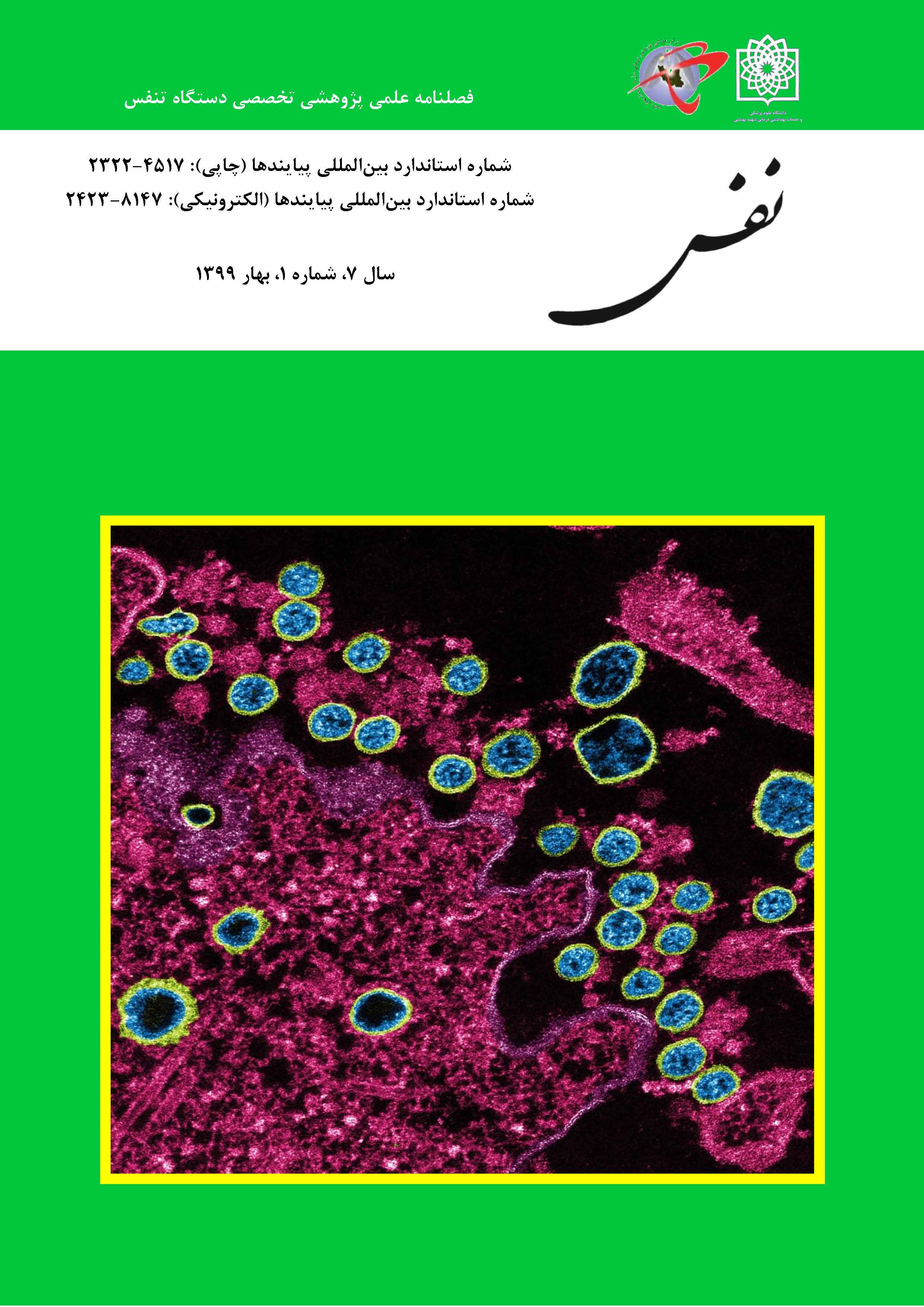
Bioinformatics analysis on the likely role of small viral RNAs in SARS-CoV-2 pathogenesis svRNAs in SARS-CoV-2 pathogenesis
Nafas Journal,
Vol. 7 No. 1 (1399),
4 June 2020
Abstract
Background: Since the emergence of SARS-CoV-2 virus in November 2019, COVID-19 has become the biggest challenge in the world, especially when there is still no effective vaccine exists. Understanding the mechanisms of SARS-CoV-2 pathogenesis helps to find suitable treatments for this disease. Recently, the role of small viral RNAs (svRNAs) in the SARS-CoV pathogenesis has been considered. Due to high similarity between SARS-CoV and SARS-CoV-2 genome, the aim of this in silico study is to find if these svRNAs exits in the SARS-CoV-2 genome and reveal their target genes in the human cells.
Method: The BLASTN method was run to find if the three svRNAs of SARS-CoV have similar sequences to those in the SARS-CoV-2 and MERS-CoV genome. The online software of TargetScanHuman custom version 5.2 was used to predict target genes of svRNAs. The Enrichr website were used for KEGG pathway enrichment analysis. The protein-protein interactions of target genes was depicted by Cytoscape. The MCOD and Cytohubba plugins were used to define protein modules and hub genes respectively.
Results: Among the three svRNAs of SARS-CoV, the svRNA-N sequence is highly conserved in both SARS-CoV-2 and MERS-CoV genome. In addition, 130 genes were predicted to target by svRNA-N which are enriched in Rap1 signaling pathway. Furthermore, protein modules were enrich in TGF-β signaling pathway.
Conclusion: The results of this study suggest further investigation about the role of svRNA-N in the SARS-CoV-2 pathogenesis and the possibility of using its antisense molecules as the strategy to decrease the pulmonary damages.
- کووید-19
- RNA های کوچک ویروسی
- SARS-CoV-2
- مسیر پیام رسانی Rap1
How to Cite
References
.
- Abstract Viewed: 994 times
- pdf (فارسی) Downloaded: 296 times